



























Action Plan for the Future Vision Resulting from a Joint Consultation at Yıldız Technical University
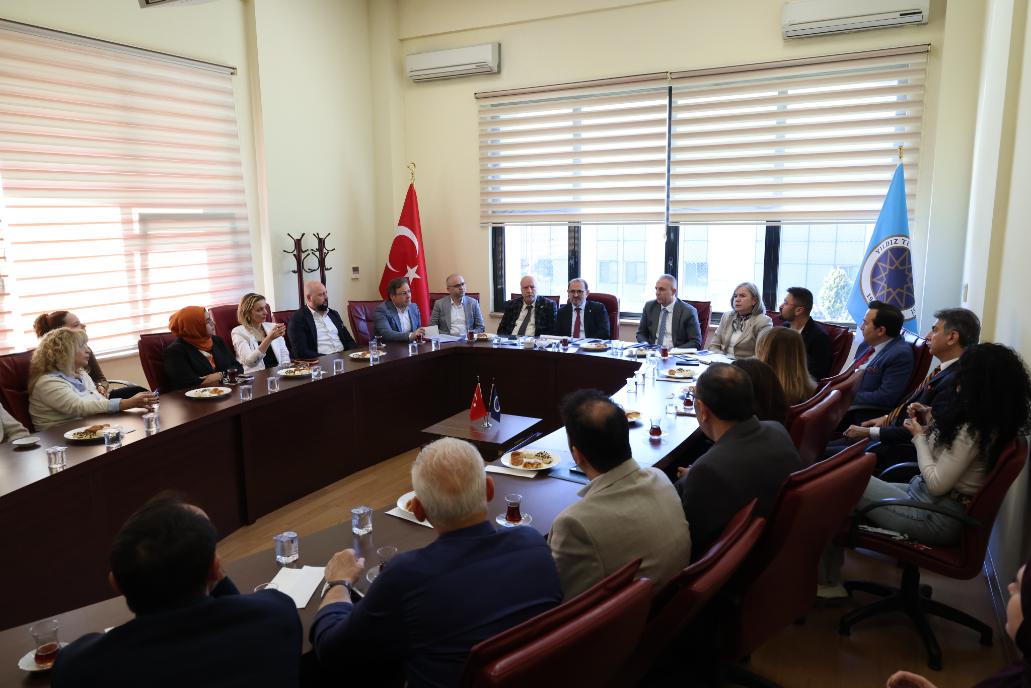
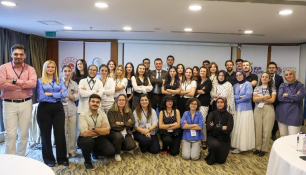
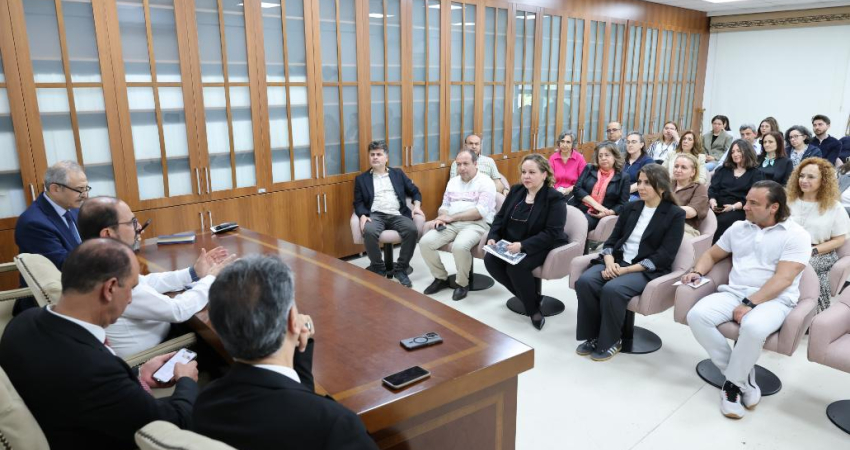
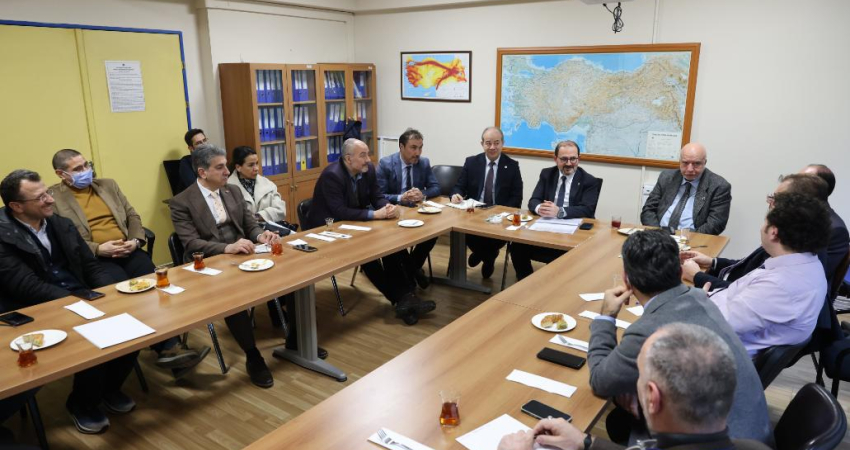
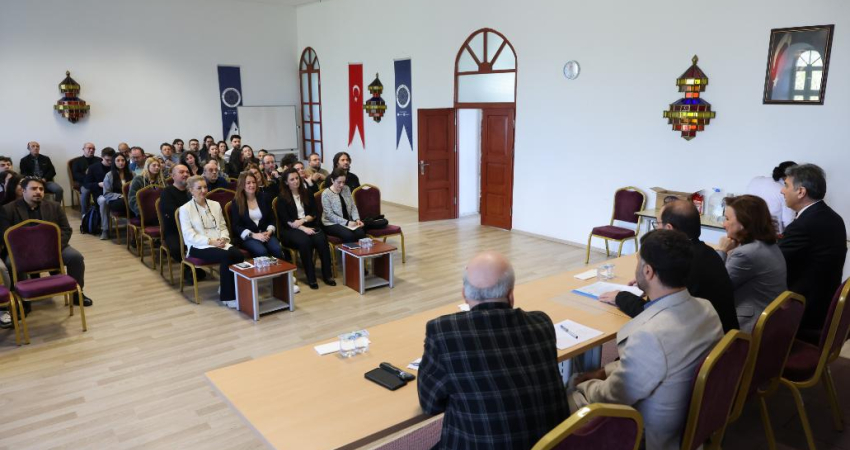
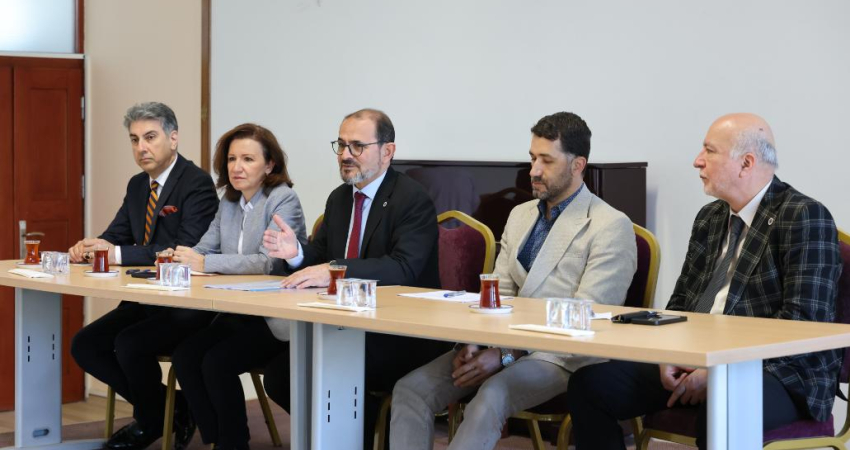
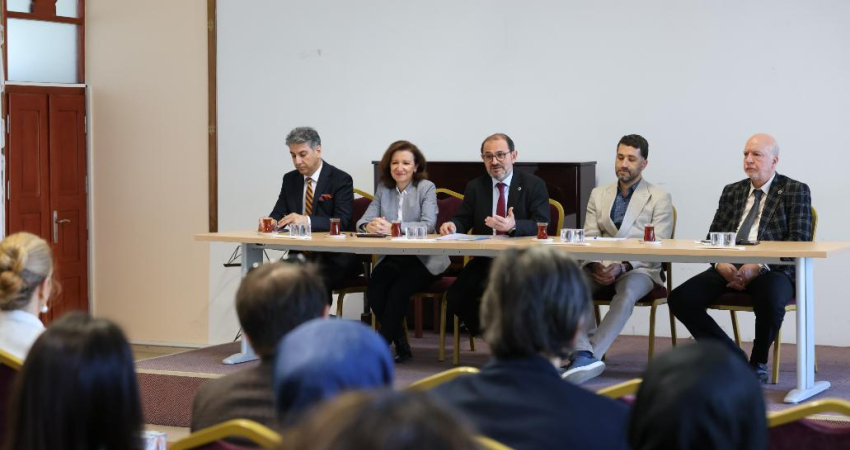
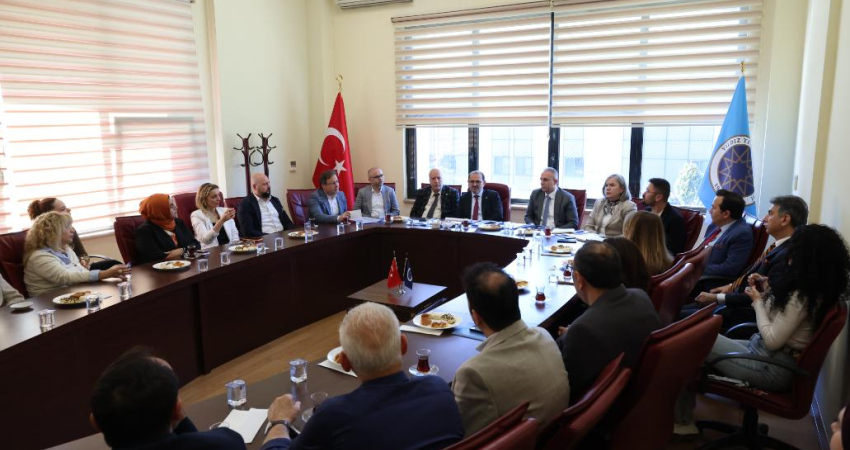
Our YTÜ Rector, Prof. Dr. Eyüp Debik, visited all faculties and departments to discuss the “Top 100” goal, the vision for internationalization, support for projects and publications, and university-industry collaboration with our deans, department chairs, and faculty members. During these visits, which focused on gathering feedback and suggestions, collective wisdom, a culture of productivity, and institutional support mechanisms emerged as key elements for YTÜ to advance more strongly toward its future goals.
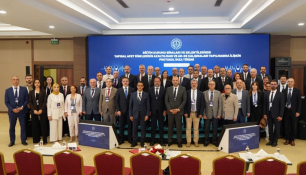
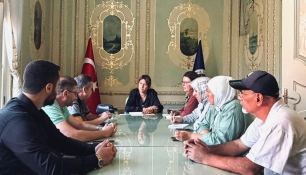
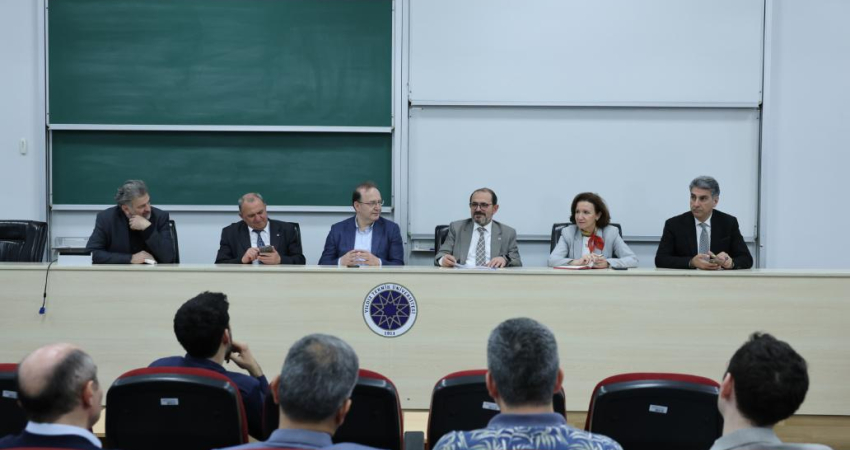
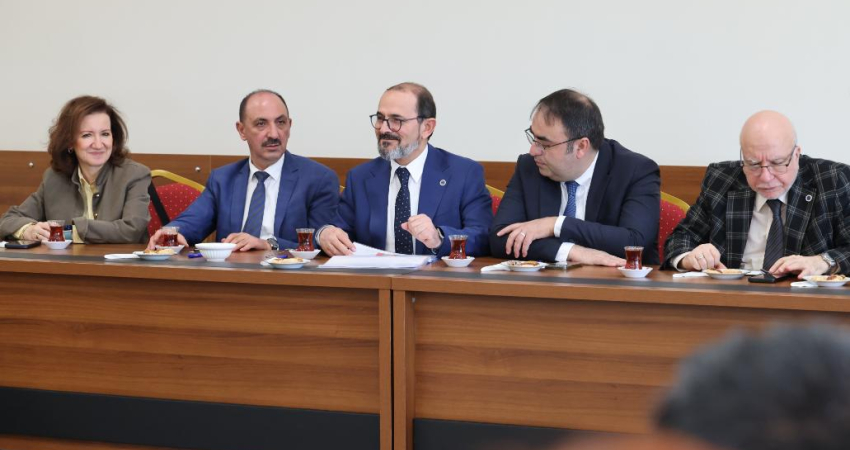
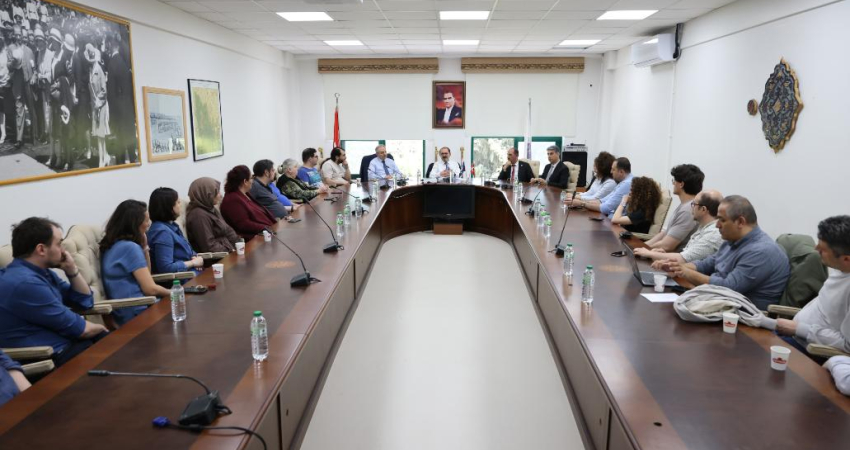
Yıldız Technical University Rector Prof. Dr. Eyüp Debik visited the faculties and departments to assess academic capacity, research output, steps taken toward internationalization and the “Top 100” goal, and institutional needs firsthand. Debik consulted with deans, department chairs, faculty members, and administrative staff regarding YTÜ’s goals, listening to their suggestions, requests, and assessments.
During the visits, topics such as the current academic status of the faculties, research potential, department-level needs, laboratory infrastructure, capacity for externally funded projects, steps toward internationalization, and educational programs were discussed in detail.
The visits served as a forum for consultation where YTÜ’s future goals were discussed with the faculties, the departments’ on-the-ground experience was heard, and steps to accelerate academic output were evaluated. During the meetings, Rector Debik shared the support measures the university has implemented over the past two years, initiatives aimed at increasing research and publication capacity, contributions to project development processes, and efforts carried out in line with internationalization goals.
The “Top 100” Goal and Academic Momentum
One of the key topics highlighted during the faculty visits was elevating Yıldız Technical University to a stronger position on a global scale. Rector Debik noted that climbing in international rankings such as QS and Times Higher Education is directly linked to the university’s research quality, publication visibility, doctoral capacity, and international faculty and student mobility.
Recalling that YTÜ was one of eight Turkish universities to rank among the world’s top 500 in subject-based rankings last year, Debik shared the steps being taken toward the goal of ranking among the world’s top 100 universities by 2031.
Emphasizing that every faculty and department possesses unique potential to contribute to this goal, Debik noted that the number of publications in the top 10 percent percentile had increased by 12.5 percent over the past two years, adding that this trend must be sustained through a stronger publication culture. He noted that academic publications should be evaluated not merely as numerical data, but as one of the fundamental elements that enhance the university’s scientific impact and international visibility.
Publication Support and Academic Incentives
Debik shared with faculty members the incentive models developed to support publications with high impact factors. Noting that incentives for high-level publications at YTÜ have been significantly increased in recent times, Debik reported that the incentive for publications in the top tier has been raised from 5,000 TL to 60,000 TL—a 12-fold increase.
The 100 articles ranked in the top 1 percent of the Scopus database will be supported with a maximum of 150,000 TL. Supporting open-access publications, reducing the financial burden on academics publishing in high-quality journals, and providing stronger support to researchers throughout the publication process were also discussed during the visits.
Efforts to expand the scope of publication support were also discussed during the meetings. In this regard, it was emphasized that support for high-impact articles should not be limited solely to the top 1 percent, but should be expanded to include up to the top 5 percent to enable more researchers to participate in high-quality publication processes.
Rector Debik stated that the primary purpose of publication support is to pave the way for academics, emphasizing their desire to foster an environment at YTÜ that encourages high-quality research. Stating that these grants should not be viewed solely as a means to increase the number of publications, Debik noted that the university’s scientific output must grow through research that addresses the country’s needs, generates social benefits, and makes a strong contribution to international academic discourse.
Access to Externally Funded Projects and Grants
During the faculty visits, the topic of access to externally funded projects and grants was also discussed at length. It was emphasized that there is a need to make more effective use of European Union projects, TÜBİTAK grants, KOSGEB grants, and various other national and international funding sources.
It was noted that project calls should be communicated to faculty members through more effective channels, the culture of project development within departments should be strengthened, experienced faculty members should mentor young researchers, and interdisciplinary teams should become more active.
Rector Debik noted that increasing the number of externally funded projects would both expand the research capacity of the faculties and directly contribute to the university’s position in international rankings. Debik emphasized that the university must strengthen its own ecosystem without relying solely on public funds; he highlighted that alumni support, sponsorships, research projects, the resources of YTÜ Yıldız Technopark, and externally funded grants are key elements in this process.
Support for Doctoral and Postdoctoral Researchers
During visits to the departments, support for doctoral and postdoctoral researchers was also discussed. It was reported that scholarship programs for 100 doctoral students and postdoctoral researchers are ongoing, and that approximately 70 to 80 million TL in support is provided for doctoral and postdoctoral research through Yıldız Technopark, while approximately 100 million TL is allocated for projects led by faculty members.
It was emphasized that this support should translate into more research projects, more high-quality publications, and stronger academic collaborations within the faculties.
Internationalization and Researcher Mobility
Internationalization emerged as one of the most important agenda items during the visits. Rector Debik outlined the efforts being undertaken to increase the number of foreign faculty members and researchers, attract high-caliber international doctoral students to YTÜ, provide visiting scholars with access to a stronger research environment on campus, and ensure that departments participate more effectively in international academic networks.
Rector Debik stated that, within this framework, a budget of approximately 12 to 16 million TL has been allocated for the employment of foreign faculty members, with the goal of attracting young and productive foreign researchers with doctoral degrees to YTÜ.
Noting that internationalization cannot be achieved solely by increasing the number of international students, Debik emphasized the importance of a holistic approach to internationalization that includes foreign faculty members, researchers, doctoral students, joint projects, joint publications, and academic mobility.
Plans for guesthouses and residence halls for foreign faculty members and researchers coming to the university were also among the topics discussed at the meetings. It was noted that these projects aim to provide international researchers with a stronger working and living environment on campus. It was also stated that international support mechanisms have been strengthened to reduce the bureaucratic challenges faced by foreign academics, such as those related to work and residence permits.
Laboratory Infrastructure and Research Environments
During faculty visits, laboratory infrastructure and research environments were also directly assessed. The departments’ requests regarding equipment, technical staff, physical space, infrastructure, and research opportunities were heard.
Steps previously taken to address the need for laboratory technicians, upgrade professional equipment, and remedy certain infrastructure deficiencies were highlighted. It was noted that ongoing needs would also be addressed in a manner that enhances the faculties’ research capacity.
Curriculum and Practice-Oriented Education
During the visits, the simplification of educational programs and the increase in practice-oriented content were also discussed. While suggestions were gathered from department chairs on making the curriculum more functional, emphasis was placed on reducing course repetition, involving students in practical, project, and research processes at an earlier stage, and evaluating models such as 6+2 or 7+1 according to departmental needs. Additionally, emphasis was placed on the need to plan education and instruction in line with the requirements of the Age of Artificial Intelligence. It was stated that efforts to streamline the curriculum should be carried out through consultation and that the curriculum should be structured to strengthen students’ academic development.
Culture of Collaborative Production and the Technopark Ecosystem
During his evaluations at the faculties, Rector Debik also highlighted the importance of a culture of sharing and a collaborative approach to production. He noted that if the university’s human resources, research expertise, and the Technopark ecosystem were combined with a stronger culture of collaboration, YTÜ could achieve much greater momentum.
It was emphasized that departments need to develop more joint projects both within their own units and across faculties, that research groups need to become more visible, and that faculty members need to foster a productive environment where they support one another.
YTÜ’s Technopark ecosystem was also identified as a key strength during the faculty visits. Rector Debik noted that the capacity the Technopark has achieved in terms of companies, projects, employees, and budget represents a major advantage for the university. He added that this advantage should translate into more projects, more doctoral theses, more university-industry collaborations, and more academic output within the faculties.
Technology, artificial intelligence, digitalization, advanced materials, energy, electronic systems, the defense industry, and interdisciplinary research were among the strategic topics highlighted during the visits. Rector Debik stated that YTÜ possesses the expertise to become a strong academic center in these fields and that this potential can be made more visible and productive through the active participation of the faculties.
Contributions of the Administrative Staff and Institutional Operations
The views and requests of administrative staff were also heard during the visits. Rector Debik emphasized that a strong administrative structure is indispensable for achieving academic goals, noting that faculty administrations, department secretariats, technical staff, and administrative personnel play a significant role in the university’s success. It was emphasized that the university must operate with a “family” mindset, and that the academic and administrative staff must unite around common goals.
Goals Are Shaped Together with the Faculties
During the visits, it was noted that the university’s internationalization vision and the “Top 100” goal should be approached not merely as a high-level strategy, but as a roadmap extending from faculties to departments, and from faculty members to administrators and administrative staff.
Stronger publications, more externally funded projects, a high-quality doctoral ecosystem, international researchers, upgraded infrastructure, application-oriented education programs, and an academic production culture driven by collective wisdom stood out as key areas in line with YTÜ’s “Top 100” goal.
Other News