























A strategic move by YTÜ in marine technologies: The Hydrodynamics Laboratory serves scientists and the industry
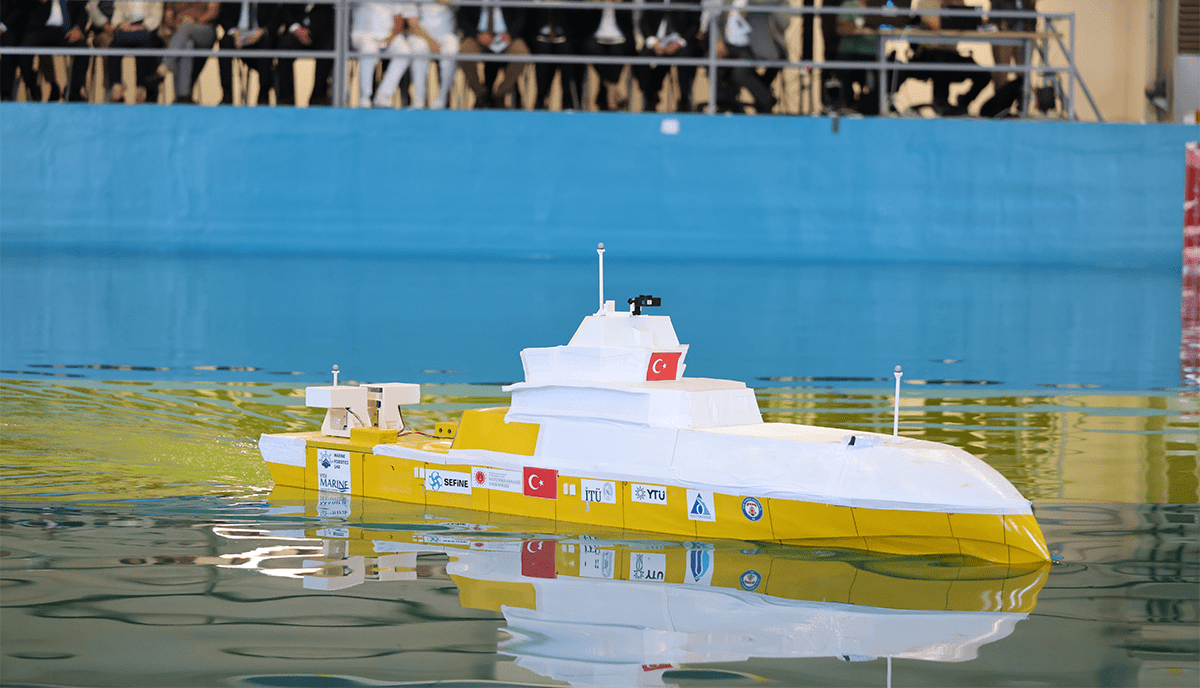
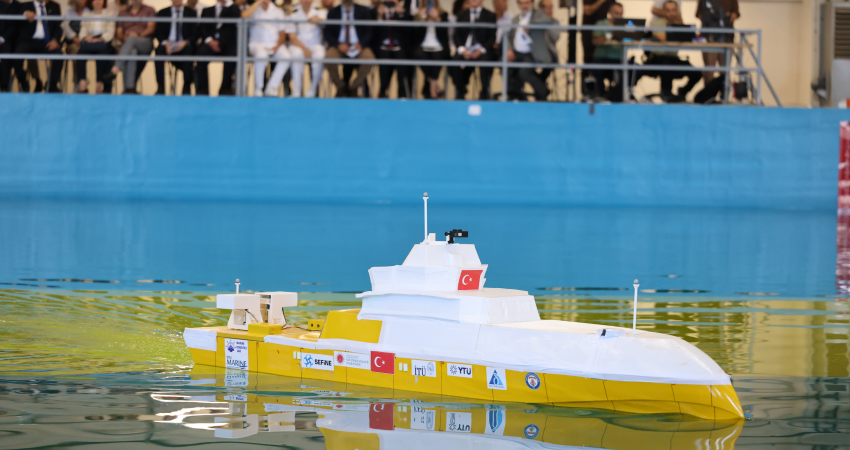
Yıldız Technical University showcased its Hydrodynamics Laboratory—which is of critical importance to the maritime and defense industries—to industry representatives. During the launch event, one of Turkey’s first free-running experiment demonstrations was tested.
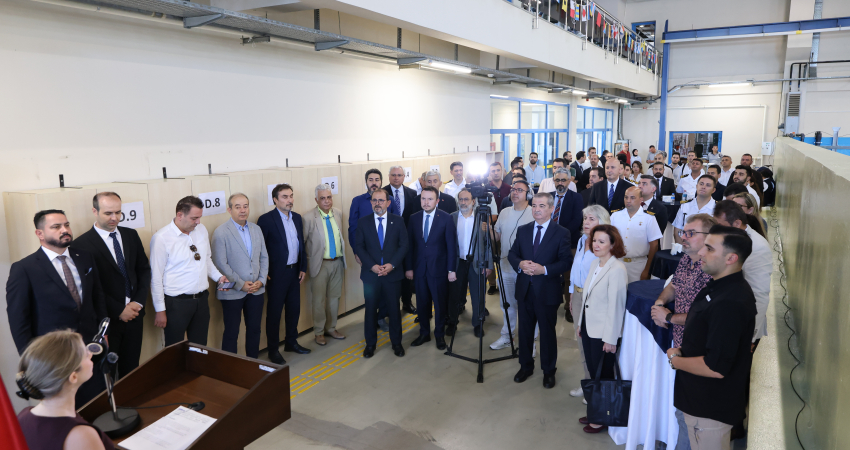
The “YTÜ Hydrodynamics Laboratory Introduction and Experiment Demonstration” event, organized by Yıldız Technical University’s Faculty of Shipbuilding and Maritime Sciences, was held at the YTÜ Davutpaşa Campus.
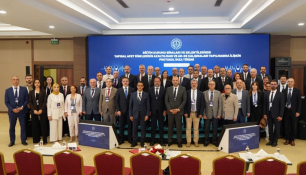
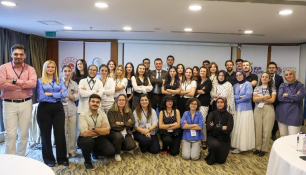
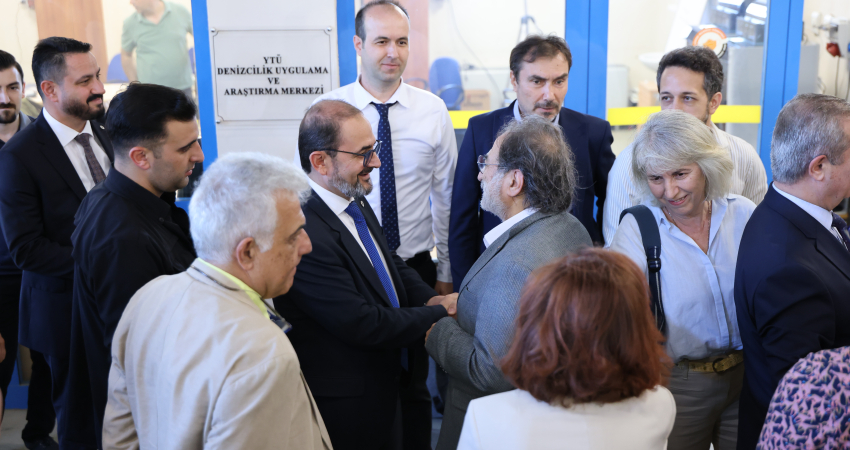
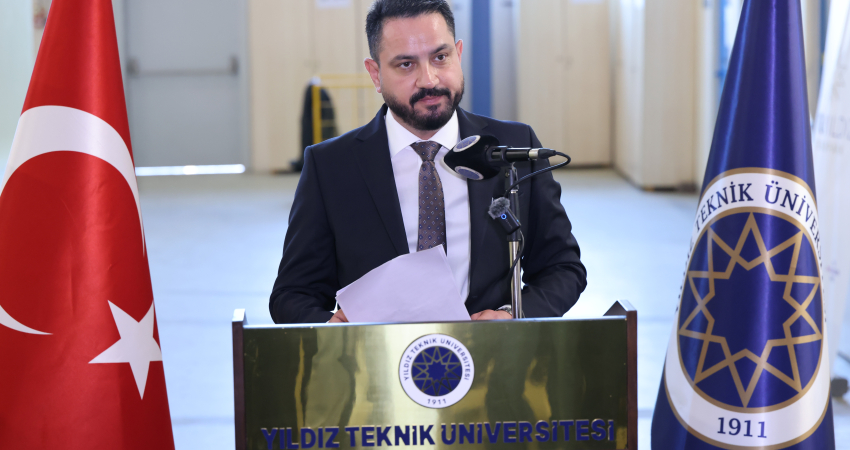
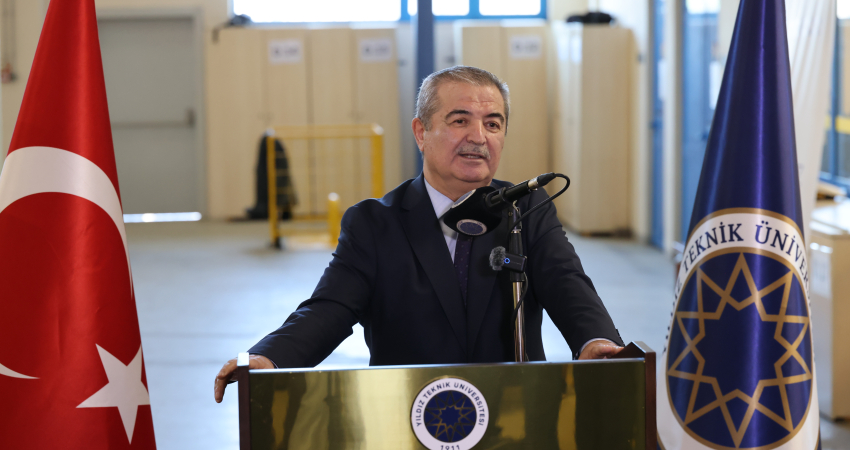
The program at the Hydrodynamics Laboratory, which began operations under the YTÜ MARINE Maritime Application and Research Center, was attended by Yıldız Technical University Rector Prof. Dr. Eyüp Debik, former YTÜ Rector Prof. Dr. Bahri Şahin, YTÜ Vice Rector Prof. Dr. Güleda Engin, and YTÜ Chief Advisor to the Rector Prof. Dr. Özer Çınar, as well as numerous representatives from public institutions, defense industry organizations, shipyards, the maritime sector, and academia.
Also attending the program were Dr. Bilkutay Yılmaz, Director of the Naval Vessels Department at the Presidency of Defense Industries; İlker Sercan Çimen, Defense Industry Specialist for Warship Projects at the Presidency of Defense Industries; and First Lieutenant Bekit Kürşat Kıyak from the Naval Forces Command Istanbul Shipyard Command D.K.K. Design Project Office, Anıl Aslan, R&D Engineer at MKE EGEM Naval Systems; Yasin Karakuş, R&D Engineer at MKE EGEM Naval Systems; Dr. Ersin Üresin, Deputy Director of the TÜBİTAK MAM Center; Tolga Köktürk, Senior Team Leader at ASELSAN; Yiğit Akkul, Specialist Engineer at ASELSAN; Kerem Orçun Yüksekdağ, Director of Naval Programs at ASFAT; Ersin Bozdağ, Technical Manager of Naval Programs at ASFAT; Levent Barbaks, Senior Executive at ASFAT; Dr. Akın Tuzcuoğlu, General Manager of Sefine Shipyard; Hüseyin Tozlu, STM HVAC-R and CBRN Systems Design and Outfitting Group Leader; M. Selim Buğdanoğlu, Board Member of the Türk Loydu Foundation; Dr. Kıvanç Ali Anıl, Assistant Professor in the Department of Mechanical Engineering at Gedik University; Prof. Dr. Yalçın Yüksel, Retired Faculty Member of the Faculty of Civil Engineering at YTÜ; and Prof. Dr. Uğur Kurt, Dean of the Faculty of Civil Engineering at YTÜ, also attended.
Rector Debik: This infrastructure will serve Turkey
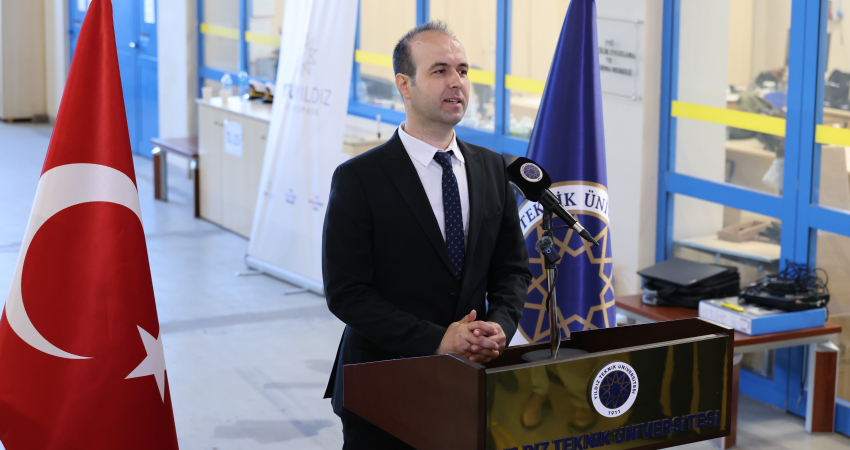
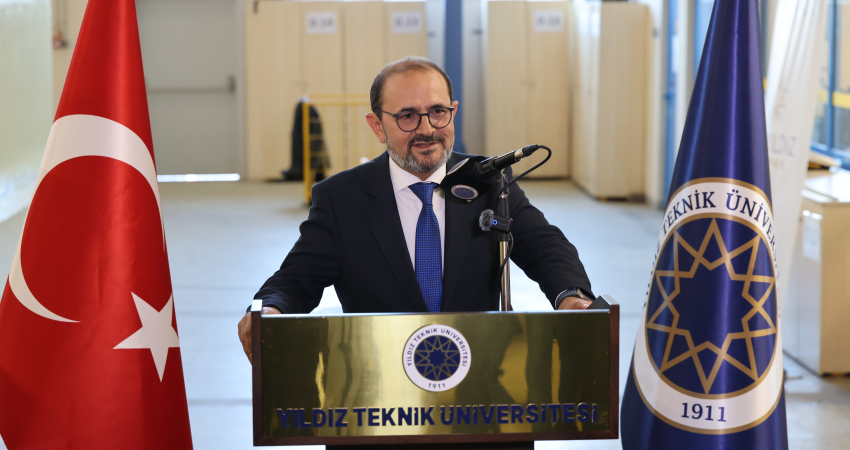
Speaking at the event, Yıldız Technical University Rector Prof. Dr. Eyüp Debik emphasized the strategic importance of strong research infrastructure in the fields of maritime affairs, defense technologies, and university-industry collaboration.
Prof. Dr. Debik noted that the Hydrodynamics Laboratory is an infrastructure capable of serving not only Yıldız Technical University but also Turkey’s defense industry, shipbuilding sector, public institutions, and researchers.
Highlighting the need to strengthen university-industry collaboration through concrete projects, Debik stated that aligning academia’s capacity to generate knowledge with the industry’s ability to apply it toward a common goal would directly contribute to Turkey’s technology development capabilities.
Debik also highlighted the importance of ensuring that the technologies developed in the laboratory are used for the benefit of humanity and in accordance with ethical and moral values, and expressed his hope that the facility would pioneer new projects in the field of marine technologies.
Bahri Şahin: The Product of a Long-Term Vision
Following Rector Prof. Dr. Eyüp Debik’s speech, Prof. Dr. Bahri Şahin, former Rector of YTÜ, who played a significant role in bringing the laboratory to life, was invited to the podium.
Prof. Dr. Şahin noted that he had spent approximately 40 years at Yıldız Technical University, 36 of which were at the Faculty of Shipbuilding and Maritime Sciences, and stated that the Hydrodynamics Laboratory was the product of many years of academic expertise and collective effort.
Shahin explained that construction of the facility began in 2019 with the support of the Presidency’s Strategy and Budget Office, adding that the laboratory could evolve into a broader “Center of Excellence in Advanced Hydrodynamics” not only for the fields of shipbuilding and maritime engineering but also but also to disciplines such as civil, coastal, and port engineering, and could evolve into a broader “Center of Excellence in Advanced Hydrodynamics.”
Ekinci: It Fills an Important Gap in Turkey
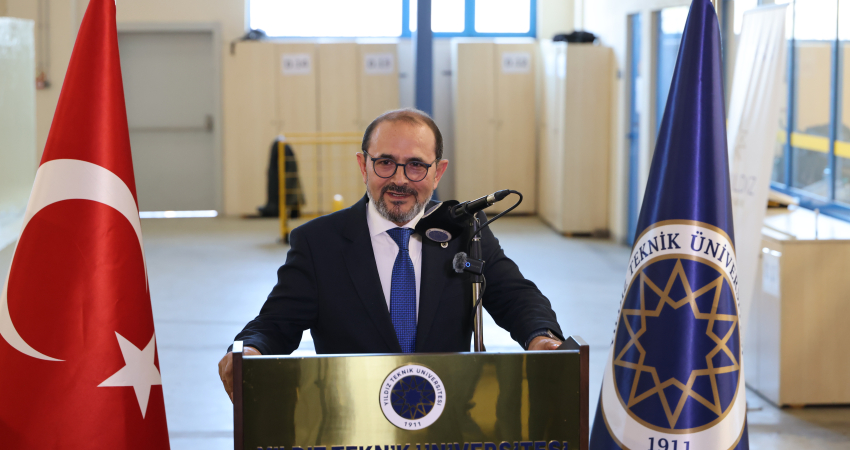
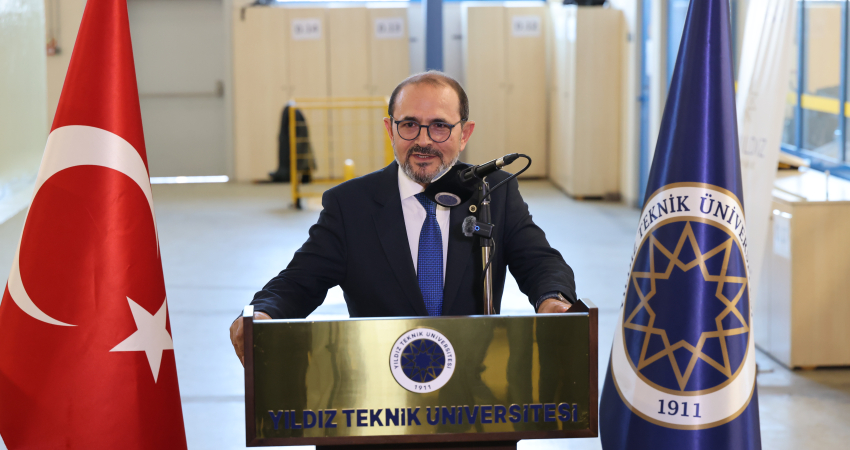
Prof. Dr. Serkan Ekinci, Dean of the Faculty of Shipbuilding and Maritime Sciences at YTÜ, noted in his speech that throughout history, maritime affairs have been one of the most important indicators of a country’s economic, technological, and strategic power.
Emphasizing that a strong maritime sector is only possible with a robust research infrastructure, qualified human resources, and innovative engineering work, Ekinci noted that the fundamental responsibility of universities is not merely to produce knowledge but to align that knowledge with the country’s needs.
Prof. Dr. Ekinci stated that the Hydrodynamics Laboratory serves a broad range of research areas, from determining the maneuvering and propulsion performance of model ships in calm and rough waters to investigating the hydrodynamic behavior of offshore wind turbines and other marine structures.
Noting that the laboratory can provide scientific infrastructure in strategic areas such as defense industry projects, next-generation maritime platforms, autonomous marine vehicles, and renewable energy systems, Ekinci emphasized that this facility—equipped with wave generators and possessing such scope and capabilities—is one of the few centers of its kind within universities in Turkeyand fills a significant gap.
Free-sailing experiments in a controlled environment
Assoc. Prof. Dr. Taner Coşgun, Director of the YTÜ MARINE Maritime Application and Research Center, also described the efforts underway to more effectively integrate the laboratory’s existing infrastructure into Turkey’s maritime experimentation ecosystem.
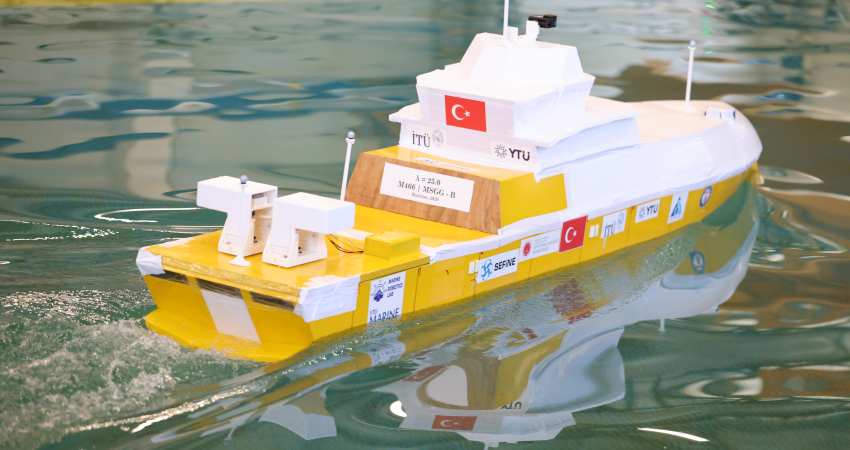
Coşgun noted that a demonstration of “free-running” maritime experiments—a field gaining traction worldwide—was conducted as part of the event. While in classical experiments ship models are fixed under specific conditions to measure forces, in free-running experiments model vessels can move in a manner closer to real-world sea conditions.
According to an assessment by YTÜ, this free-running experiment demonstration—conducted within a systematic and controlled environment as part of the project—is the first of its kind in Turkey. In this regard, the study demonstrates not only the laboratory’s technical capabilities but also Turkey’s testing and validation capacity in the field of marine technologies.
Autonomous marine vehicles were tested in calm and choppy waters
In the experiments conducted during the event, the maneuvering capabilities of the autonomous marine vehicles under various environmental conditions were examined.
In the first phase, the vehicles’ route tracking, turning ability, and basic maneuvering performance were evaluated in calm water conditions. Subsequently, a controlled wave environment was created using the laboratory’s wave-generation system, and the behavior of the same vehicles under wave conditions was tested.
Through these studies, the autonomous marine vehicles’ ability to maintain their course, maintain balance, and perform maneuvers under wave conditions was observed in detail. The data obtained is expected to contribute to the development of vehicle designs and the validation of control algorithms.
Critical Infrastructure for Marine Technologies
Autonomous marine systems are becoming an increasingly critical technology in many fields, including defense, security, port operations, environmental monitoring, marine research, and offshore activities.
Therefore, the ability to reliably and controllably simulate real-world marine conditions in a laboratory environment offers a strategic advantage in terms of design, testing, validation, and cost management.
The Hydrodynamics Laboratory at Yıldız Technical University aims to host new research, joint projects, and technology development initiatives in the fields of the defense industry, shipbuilding, autonomous marine systems, offshore structures, and renewable energy.
A Meaningful Presentation Ahead of the 100th Anniversary of Cabotage Day
The fact that the promotional event and experiment demonstration were held ahead of the 100th anniversary of Maritime and Cabotage Day on July 1 added special significance to the program.
Held ahead of this special year symbolizing Turkey’s resolve to assert its sovereignty at sea, the event served as a significant demonstration of Yıldız Technical University’s goal to strengthen its capacity for scientific production, industry collaboration, and strategic research in maritime technologies.

Other News