



























YTU Collaborates on Human-Centered Artificial Intelligence in Pakistan
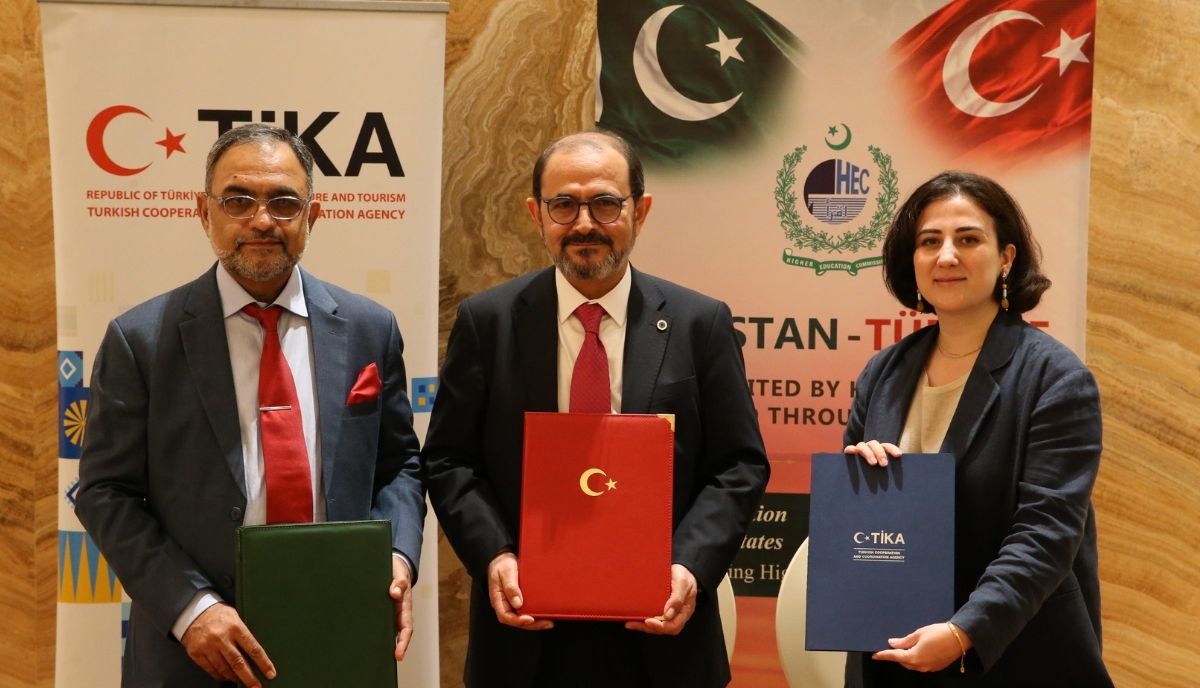
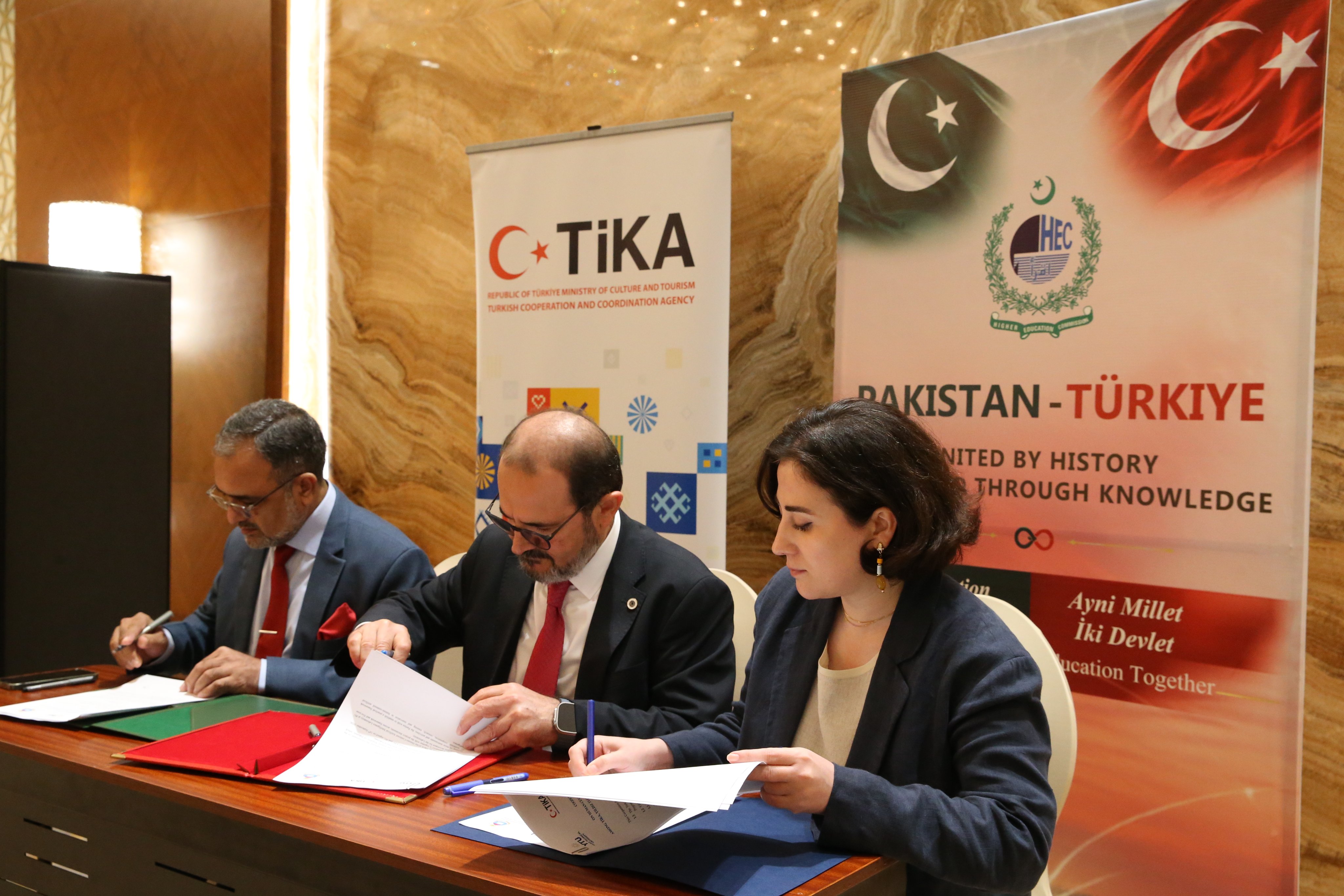
As part of efforts to develop higher education and research collaborations between Turkey and Pakistan, Yıldız Technical University signed a cooperation protocol with TİKA and the University of Punjab in the field of human-centered artificial intelligence. The protocol aims to establish comprehensive cooperation ranging from joint research projects to graduate studies, and from educational programs to entrepreneurship.
Yıldız Technical University (YTÜ) signed a significant cooperation agreement in the field of human-centered artificial intelligence during a visit to Pakistan aimed at developing higher education cooperation between Turkey and Pakistan. Under the protocol signed between YTÜ, the Turkish Cooperation and Coordination Agency (TIKA), and the University of the Punjab, the parties aim to conduct joint work in the fields of education, research, and technology development.
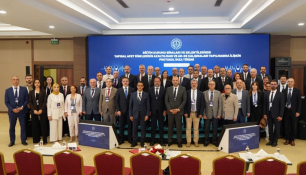
As part of the visit to Pakistan by Prof. Dr. Erol Özvar, President of the Higher Education Council, accompanied by a delegation of rectors from 10 universities, a cooperation protocol covering education, research, and technology development activities in the field of human-centered artificial intelligence was signed between Yıldız Technical University, TİKA, and the University of the Punjab.
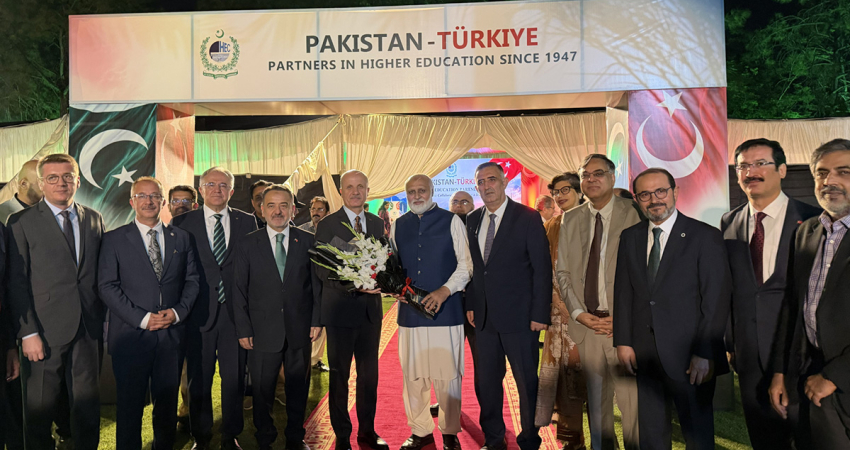
As part of the visit, which was organized to transform the long-standing relations between Turkey and Pakistan into concrete and sustainable partnerships in the field of higher education, new models of cooperation between the universities of the two countries were discussed. During the visits in Pakistan, Prof. Dr. Erol Özvar, President of the Higher Education Council, was accompanied by representatives from: the rectors of Boğaziçi University, Dokuz Eylül University, Gazi University, Gebze Technical University, Hacettepe University, Istanbul Technical University, Izmir Institute of Technology, Middle East Technical University, Sabancı University, and Yıldız Technical University.
Common Goals in Human-Centered Artificial Intelligence
Our Rector, Prof. Dr. Eyüp Debik, signed the cooperation protocol between YTÜ, TİKA, and Punjab University. Under the protocol, the goals include the preparation of more than 10 academic publications, the execution of at least 5 externally funded joint projects, the support of more than 20 master’s and doctoral theses, and the provision of training to over 100 students, researchers, and academics. In addition, plans are in place to provide support to at least 5 startups active in the field of human-centered artificial intelligence.
The agreement aims to bring together YTÜ’s academic expertise with Pakistan’s higher education and research capacity to conduct joint research in the field of human-centered artificial intelligence. The goal is to expand this collaboration beyond academic publications to include graduate research, researcher mobility, educational activities, joint projects, and entrepreneurship initiatives.
Turkey-Pakistan Universities Forum Held
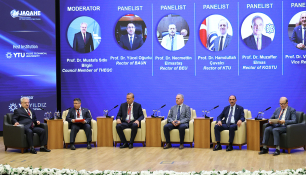
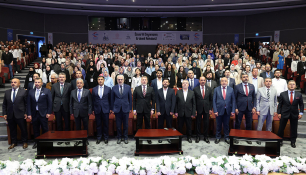
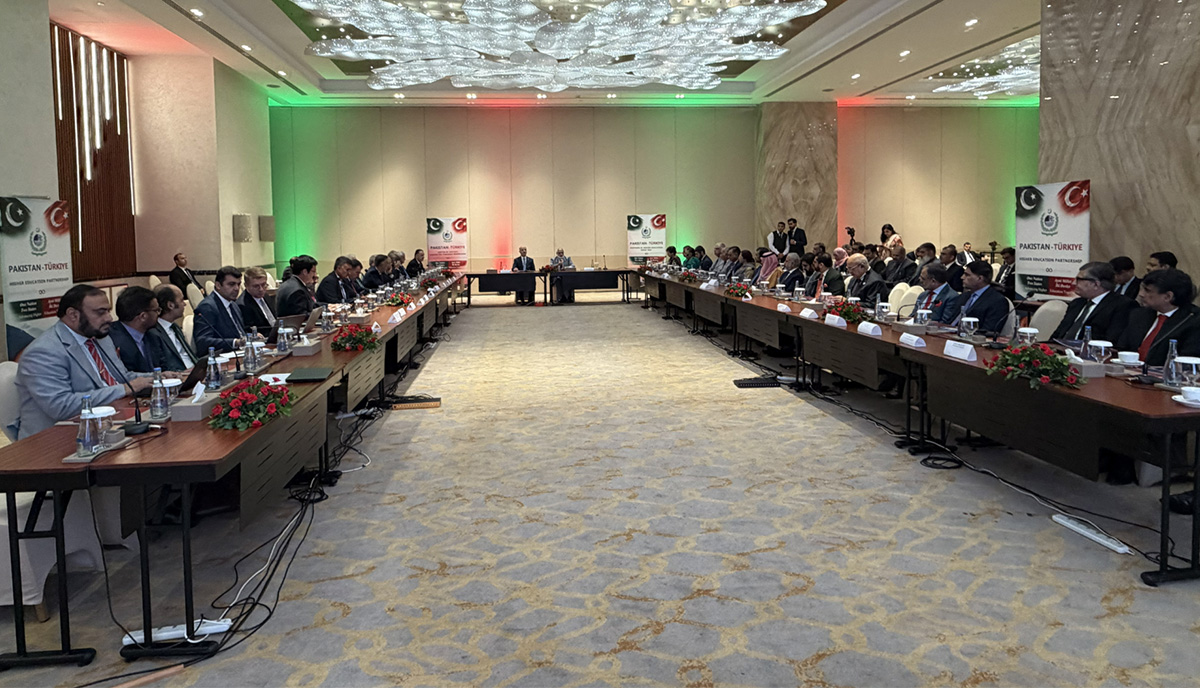
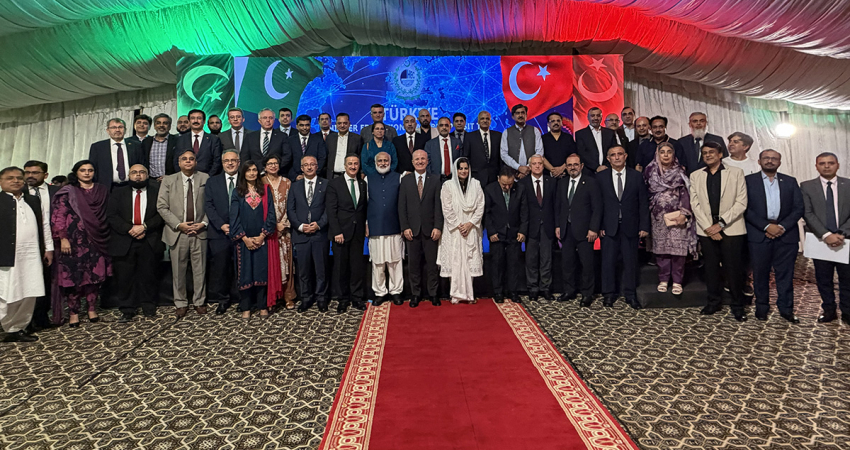
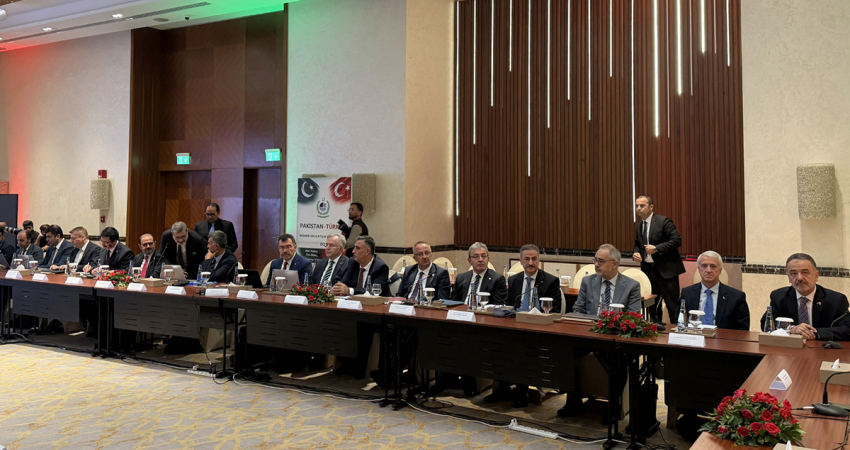
As part of the visit to Pakistan, the Turkey-Pakistan Universities Forum was held in Islamabad. The forum, which brought together administrators from higher education institutions in both countries, discussed ways to strengthen Turkey-Pakistan higher education relations through long-term and measurable collaborations.
The forum addressed the establishment of the Turkey-Pakistan University of Technology, the creation of a joint research fund, the development of dual and joint degree programs, an increase in master’s and doctoral scholarships, student and faculty exchanges, joint courses, internships and summer programs, joint research and publications, and researcher mobility.
The forum also addressed the academic focus areas, institutional structure, governance, and financing model for the establishment of the Turkey-Pakistan University of Technology, and the formation of a joint working group to assess the project’s feasibility and develop concrete proposals was brought to the agenda.
Joint research fund and academic mobility on the agenda
The creation of a bilateral and competitive research fund to transform scientific cooperation between Turkey and Pakistan into joint research projects was also on the forum’s agenda. Mechanisms for identifying priority research areas, establishing application criteria, and launching joint project calls were evaluated.
In the context of increasing mobility opportunities for students and academics, the discussion focused on joint courses, dual and joint degree programs, internships, and summer programs. In addition to internship programs in which universities, research institutions, hospitals, and industry partners could participate, the creation of new educational opportunities for students and academics was also discussed.
Recommendations were also discussed regarding the expansion of master’s and doctoral scholarships for Pakistani students studying in Turkey and Turkish students studying in Pakistan, the identification of priority disciplines, and the increase in scholarship quotas. The revival of the previously established Turkey-Pakistan Researcher Mobility Grant Program was also among the topics discussed.
A joint database to bring together Turkish and Pakistani academics
The creation of a joint academic database to enhance direct communication and opportunities for collaboration among scientists from both countries was also evaluated. The database is planned to include academics’ and researchers’ areas of expertise, research topics, institutional affiliations, and publication information.
The joint platform is intended to facilitate contact between academics working in similar research fields, thereby contributing to the establishment of new research partnerships. In addition, the preparation of a coordinated academic program consisting of joint workshops, seminars, and conferences in 2026 and 2027 was also brought to the agenda.
Joint Action Plan for 2026–2028
The preparation of the “Turkey-Pakistan Higher Education Cooperation 2026–2028 Action Plan,” aimed at advancing higher education cooperation between Turkey and Pakistan in a systematic and measurable manner, was also among the topics discussed.
Under the action plan, it is envisaged that contact points will be designated at higher education institutions in both countries, thematic working groups will be formed in priority areas, and objectives, responsible institutions, and implementation timelines will be established for each collaboration. It is planned that progress will be monitored through online meetings held every three months and evaluated annually by the chairs of the higher education councils of both countries.
Other News