



























The TÜBA Workshop on Disasters and Preventive Measures Was Held at YTÜ
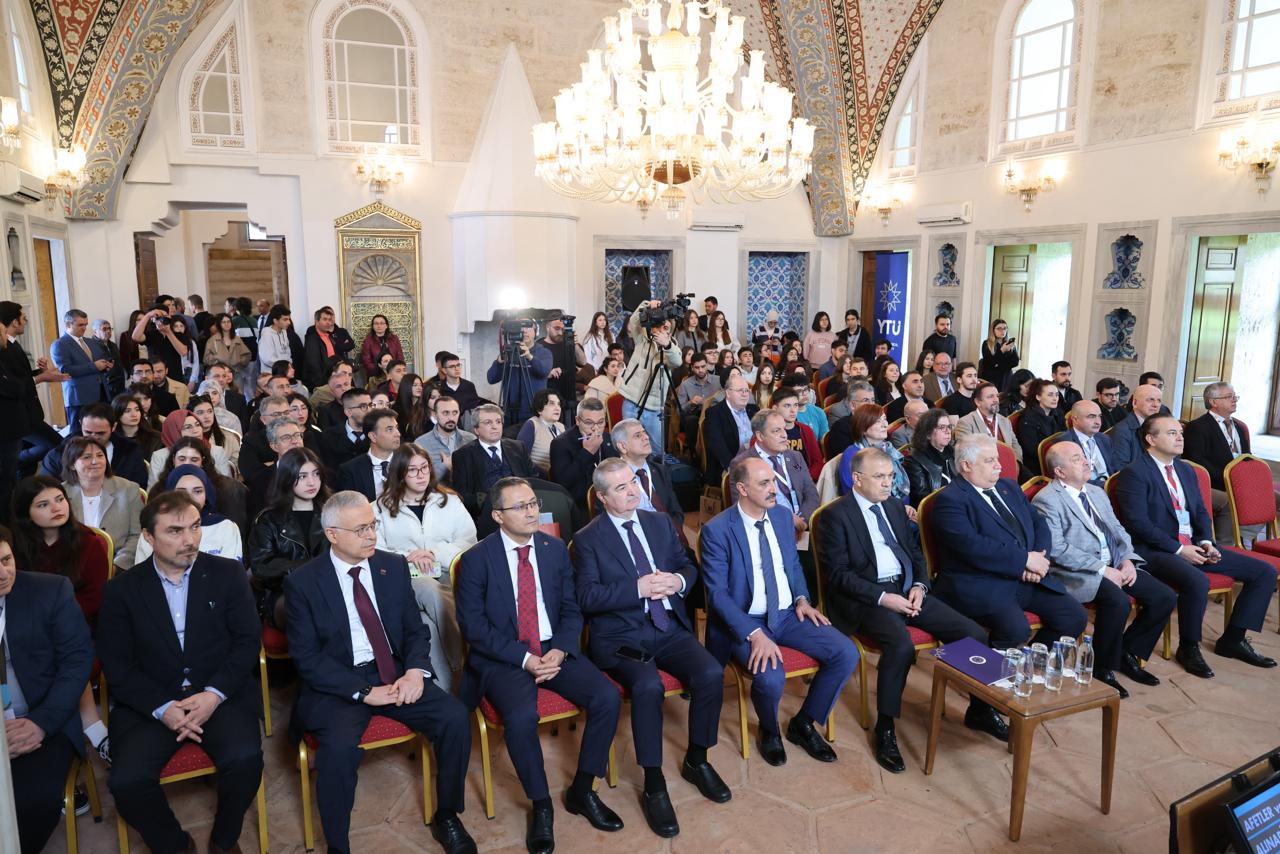
Hosted by Yıldız Technical University and organized with the support of YTÜ Yıldız Technopark, the TÜBA “Workshop on Disasters and Preventive Measures” was held. During the two-day workshop, attention was drawn to the importance of moral awareness, in addition to educational and technical responsibilities, in disaster response.
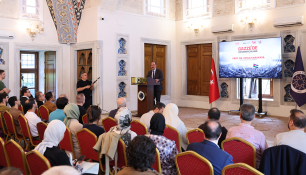
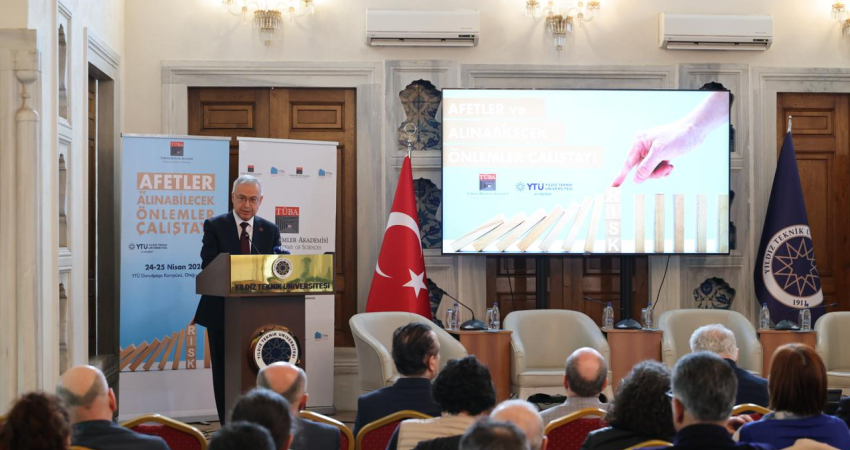
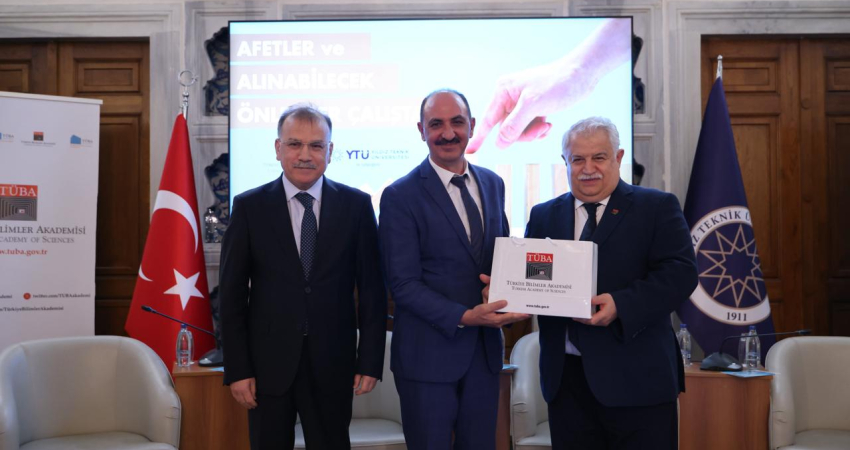
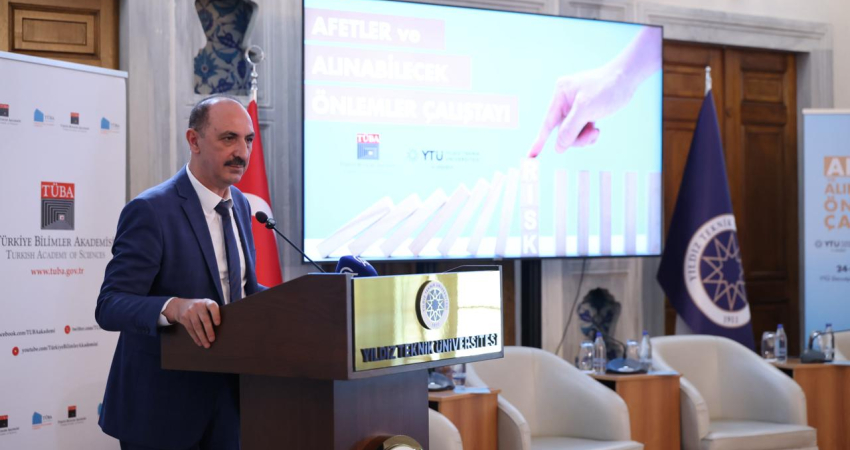
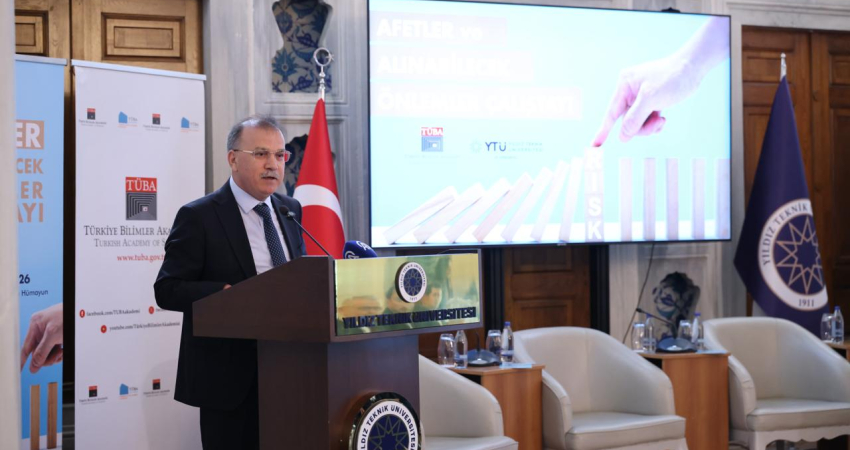
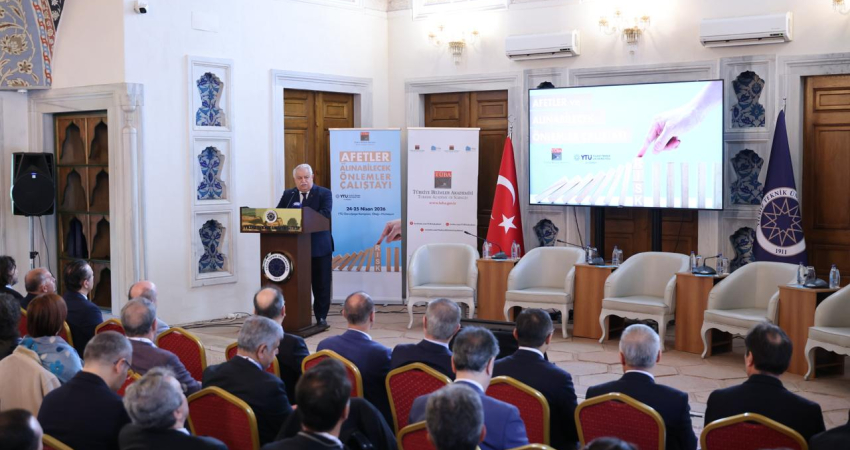
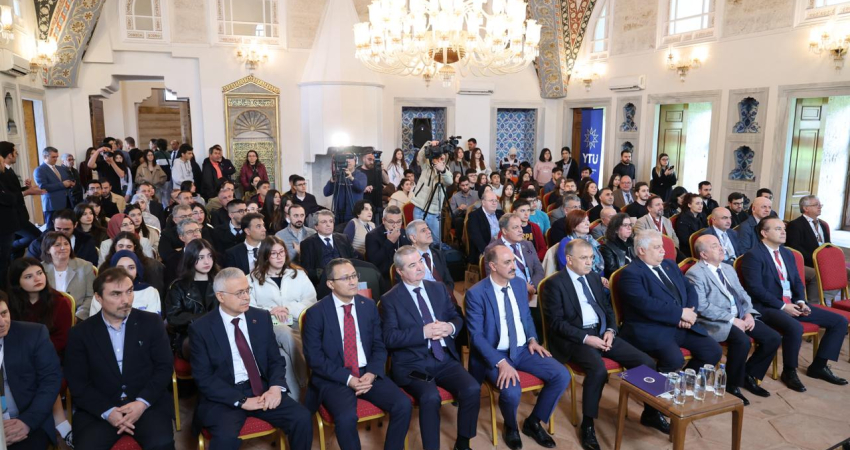
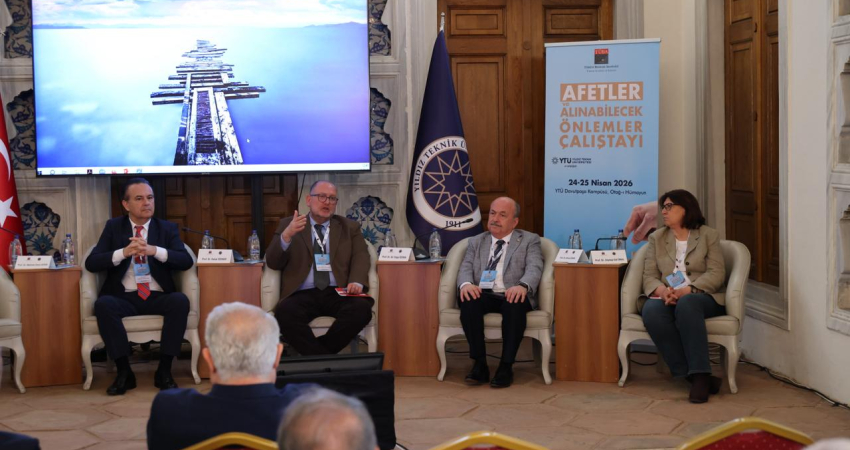
The “Disasters and Preventive Measures Workshop,” organized by the Turkish Academy of Sciences (TÜBA), was held at the Otağ-ı Hümayun in the Davutpaşa Campus of Yıldız Technical University. The workshop emphasized that disasters are not limited to physical destruction; planning errors, lack of oversight, and the neglect of ethical responsibilities give rise to a deeper crisis defined as an “ethical earthquake.” Participants in the workshop included Istanbul Deputy Governor Hasan Sözen, President of the Turkish Academy of Sciences (TÜBA) Muzaffer Şeker, YTÜ Vice Rector Prof. Dr. Vatan Karakaya, and Mehmet Emin, Coordinator of the TÜBA Working Group on Environment, Biodiversity, and Climate Change.
Organized with the participation of public officials, academics, and experts, the workshop comprehensively addressed disaster management, risk reduction strategies, and technology-supported new approaches in light of the experiences gained following the February 6 earthquakes.
“Societies that learn from disasters reduce risks”
Istanbul Deputy Governor Hasan Sözen stated, “We also need to understand the source of sensitivity in some societies that lack sacred values and focus solely on designing their worldly lives to the best of their ability. Even the mere thought that earthquakes of magnitude 7, 7.5, or 8 could occur in our region creates significant anxiety. However, we observe that some societies learn from disasters and build their infrastructure and systems accordingly.”
Sözen continued:
“Following the February 6 earthquake, as the Istanbul Governor’s Office, we are conducting very serious efforts within the framework of the Turkey Disaster Response Plan and risk reduction plans. Meetings are being held with the participation of local and central governments, universities, security units, and all relevant institutions. The aim is to increase the impact of the measures taken on society and to minimize losses through rapid intervention during a disaster.”
“An ‘ethical earthquake’ amplifies physical destruction”
Prof. Dr. Muzaffer Şeker, President of the Turkish Academy of Sciences, stated: “We are also facing the reality of a ‘moral earthquake’ that amplifies the effects of an earthquake through a multiplier effect. We have clearly seen how this situation exacerbates physical destruction in the disasters we have experienced. The earthquakes we have described as the ‘disaster of the century’ have resulted in significant consequences in terms of both loss of life and economic costs. “As part of this year’s G20 Summit in the U.S., we will share Turkey’s experiences regarding natural disasters on an international platform. Protecting riverbeds is of great importance when intervening in nature. Opening these areas to development multiplies the cost of disasters,” he stated.
Prof. Dr. Şeker continued:
“Additionally, our observations have shown that university campuses become critical hubs during disasters. These areas, where shelter, energy, and basic needs can be met, play a significant role in crisis management.”
“A New Era in Disaster Management with Artificial Intelligence”
“Our university is conducting multidisciplinary studies aimed at disaster mitigation and the development of disaster technologies,” said Prof. Dr. Vatan Karakaya, Vice Rector of Yıldız Technical University. “Following the February 6 earthquake, field studies were initiated—particularly in Hatay—focused on damage assessment, structural analysis, and the preservation of historical fabric. Field research was conducted on temporary housing systems, rapid production techniques, and infrastructure management. Using this data, an AI-based decision support system for disaster management was developed,” he said.
Karakaya continued:
Prof. Dr. Karakaya said:
“In projects carried out under the TÜBİTAK 1001 program, the goal is to analyze seismic movements using artificial intelligence and predict risks earlier. Additionally, the goal is to establish an automated infrastructure for search-and-rescue and logistics operations by creating damage maps using systems integrated with satellite data. Through the Disaster and Emergency Aid Coordination Office established at our university, students and staff are trained and certified in search-and-rescue operations. Our goal is for our graduates to be equipped to respond to disasters anywhere in the country.”
“Risk reduction should be the priority in disaster management”
Prof. Dr. Mehmet Emin, Head of the TÜBA Environment, Biodiversity, and Climate Change Working Group, who noted that disasters are often the result of poor site selection, inadequate engineering services, and insufficient legislation, added:
“Turkey is situated at the intersection of multiple disaster risks due to its geological structure and socio-economic dynamics. The fault lines stretching from the North Anatolian Fault to the East Anatolian Fault create complex, mutually triggering processes alongside risks such as landslides, fires, and drought. The 2023 Kahramanmaraş earthquakes marked a turning point where these systems were severely tested. Disaster management is not the responsibility of a single institution but rather an interdisciplinary and multi-stakeholder process. Globally, the impacts of disasters transcend borders and are felt across different regions. Therefore, international cooperation, data sharing, and early warning systems are of great importance. The most fundamental shift is the transition from a response-focused approach to one centered on risk reduction and prevention. Because once a disaster occurs, it is impossible to fully compensate for the losses.”
Other News