


























A patented solution for the recycling of lithium-ion batteries developed by our researchers
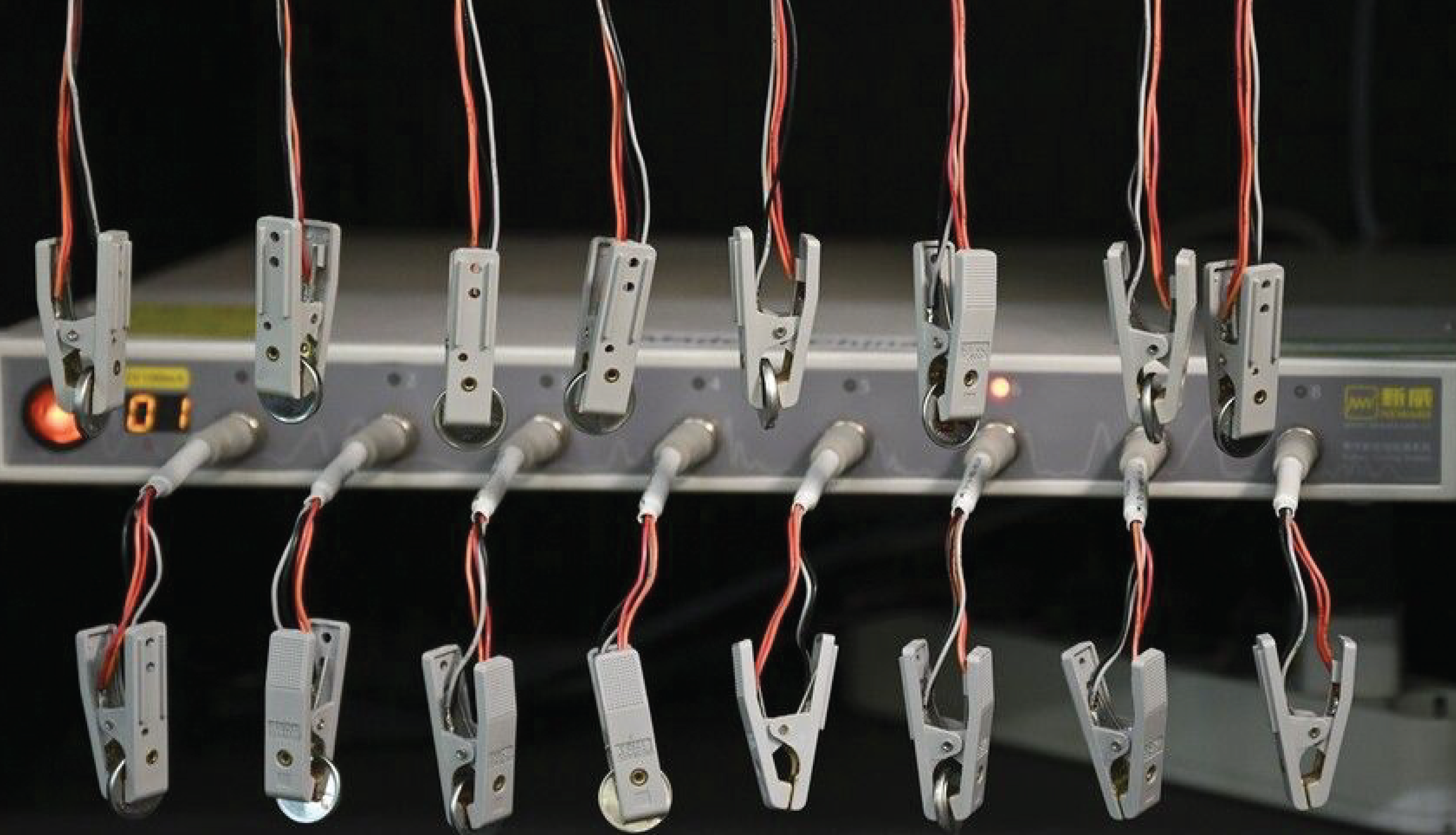
Faculty members at Yıldız Technical University have developed a new method for recovering critical materials from end-of-life lithium-ion batteries. The system, registered by the Turkish Patent and Trademark Office, offers an economic and environmentally friendly solution to the waste problem.
As electric vehicles and portable electronic devices become more prevalent in our lives, the growing problem of lithium-ion battery waste poses serious environmental risks on a global scale.
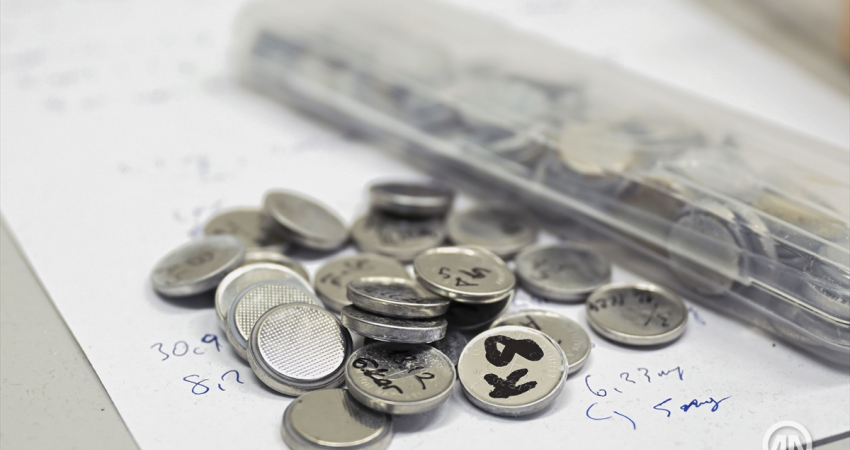
According to data from the United Nations Development Programme (UNDP), it is estimated that 900,000 tons of lithium-ion batteries will become waste worldwide by 2025. While this figure is expected to reach 11 million tons by 2030, countries continue their efforts to find solutions to this problem.
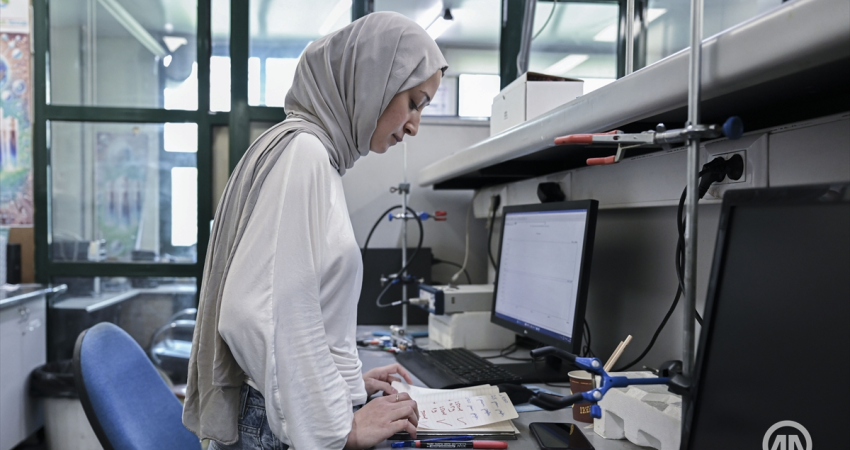
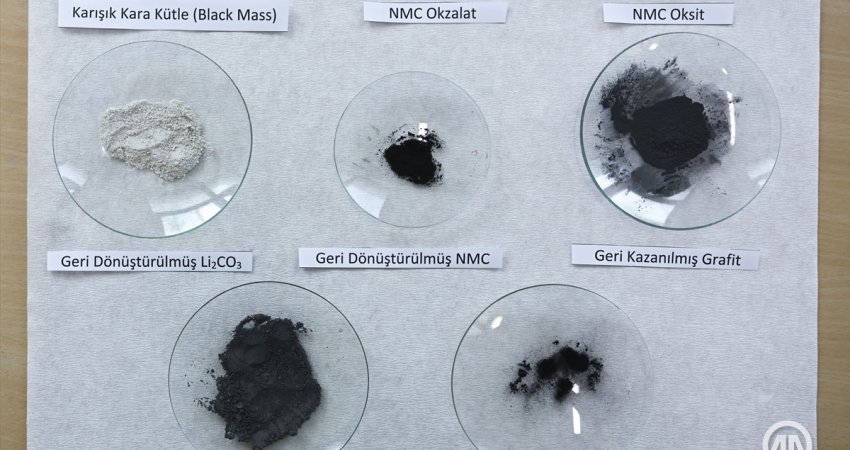
Taking action against this global problem, faculty members from the Department of Metallurgy and Materials Engineering at the Faculty of Chemistry and Metallurgy at Yıldız Technical University (YTÜ) Faculty of Chemistry and Metallurgy, Department of Metallurgy and Materials Engineering, have developed an innovative method to recover battery production components—primarily cobalt sulfide—from end-of-life batteries. The patented method focuses on reintroducing materials into production.
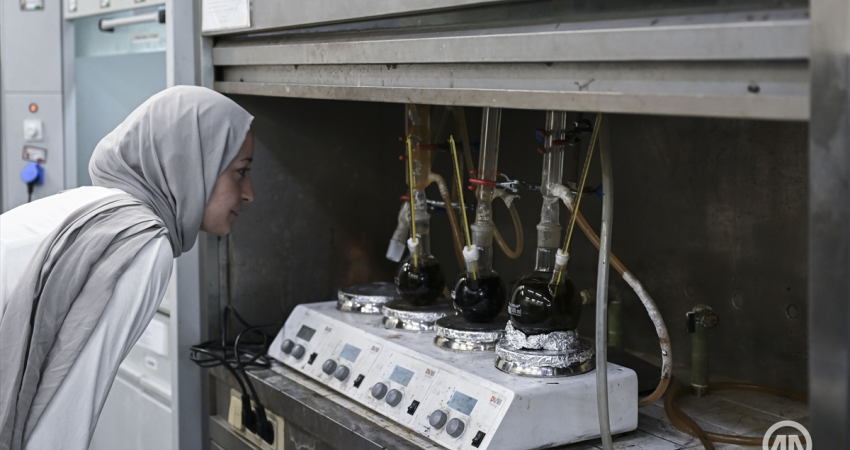
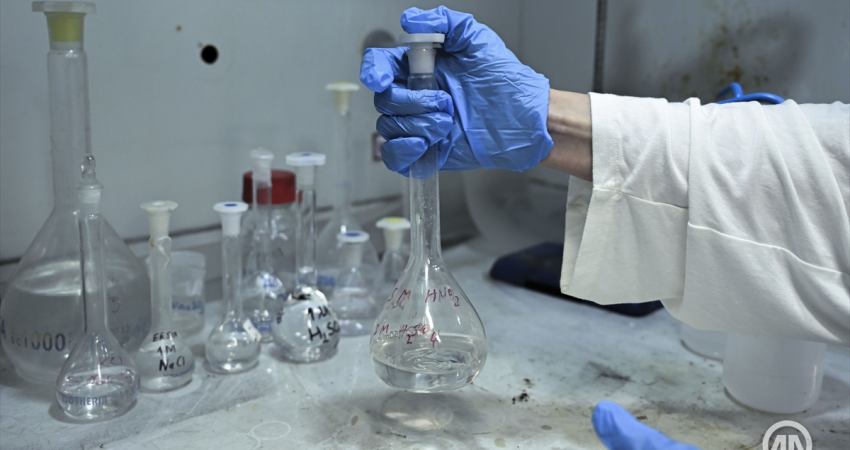
Thanks to the developed method, outputs obtained through chemical processes from the cathode materials in waste batteries can be used in a wide range of fields, from energy storage systems to sensor technologies. YTÜ researchers aim to transform the recycling process from a cost burden into a valuable raw material source for industry through this approach.
"One million tons of lithium-ion battery waste is generated annually"
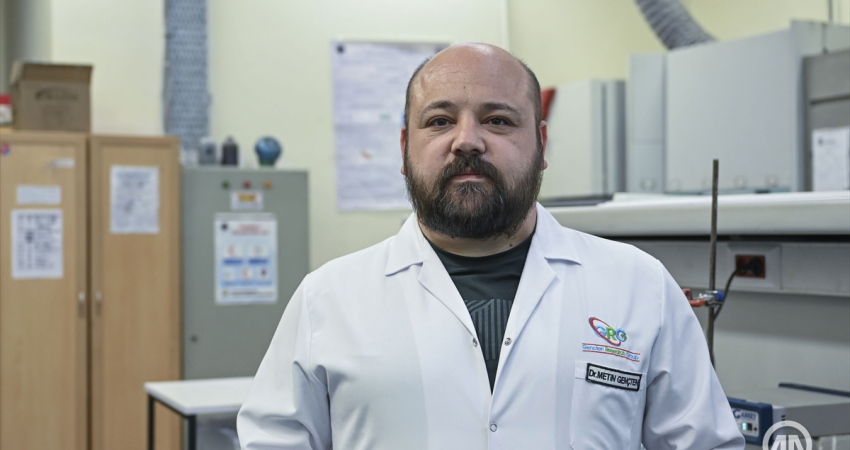
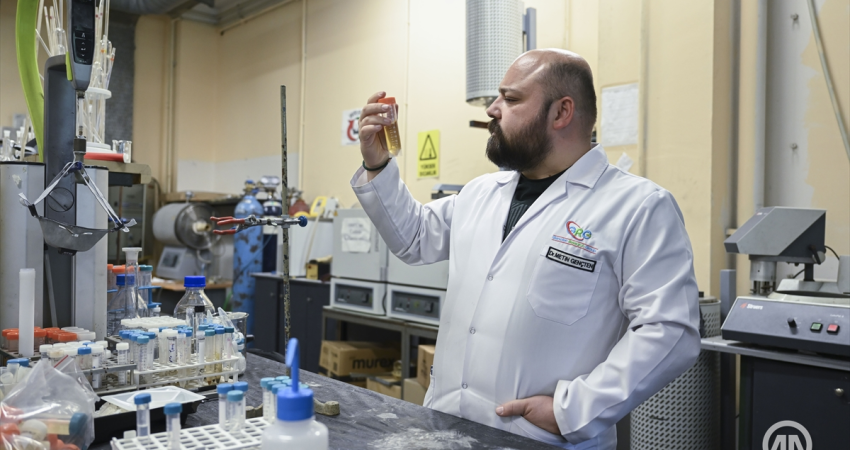
Commenting on the study’s origins to Anadolu Agency, Prof. Dr. Metin Gençten noted that, unlike lead-acid batteries, recycling in lithium systems has not yet become fully widespread.
Noting that they focused on this issue due to the rapid increase in battery waste over the past 5-6 years, Gençten said, "We started with the recycling of lithium cobalt oxide batteries, then set out to determine whether we could convert components from different lithium chemistries into reusable forms. "At this stage, the direct recycling of anode and cathode materials in lithium-ion batteries has become our primary focus," he said.
Emphasizing that approximately 1 million tons of lithium-ion battery waste is generated each year, Gençten noted that this amount will rise significantly with the increase in electric vehicles, adding:
"We view this waste as a resource for primary use. Lithium, nickel, manganese, and cobalt are critical metals not found in every country. Unlike ores extracted from nature, waste batteries contain a high percentage of pure components. Effectively recycling these metals means providing a significant resource for the national economy. Moreover, this gives us the potential to eliminate our reliance on imports for the production of new batteries."
"We will keep raw materials within our country through urban mining"
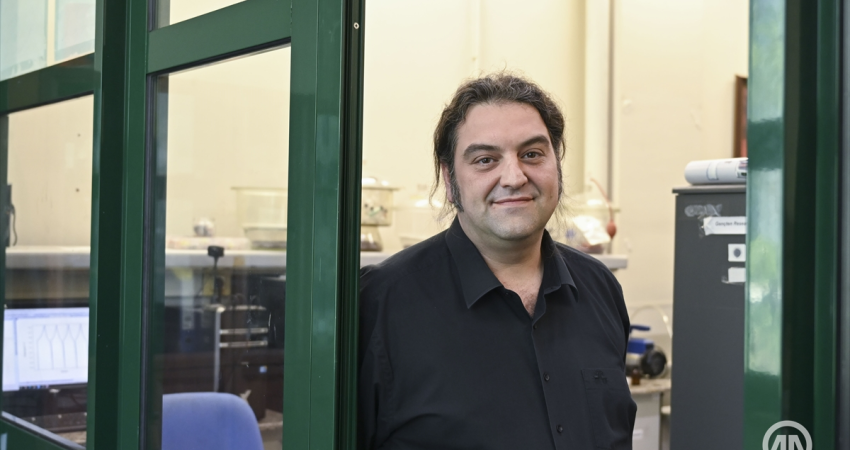
Assoc. Prof. Dr. Burak Birol, noting that producing metals from natural resources requires a very high amount of energy, highlighted the advantages of obtaining materials from waste. Birol explained that through this practice, known as “urban mining,” production can be achieved at much lower costs and with higher purity compared to traditional mining, and stated the following:
"Extracting nickel, manganese, cobalt, and lithium from batteries requires significant labor and energy. By recycling these components, we not only retain strategic raw materials within our country but also produce high-quality goods at a lower cost. The growing number of electric vehicles and renewable energy systems such as wind turbines and solar panels will eventually generate massive amounts of battery waste. When this waste is utilized as raw material without harming the environment, it will make a significant contribution to the zero-waste approach."
Other News