YTÜ will certify organizations’ sustainability performance through GreenStars
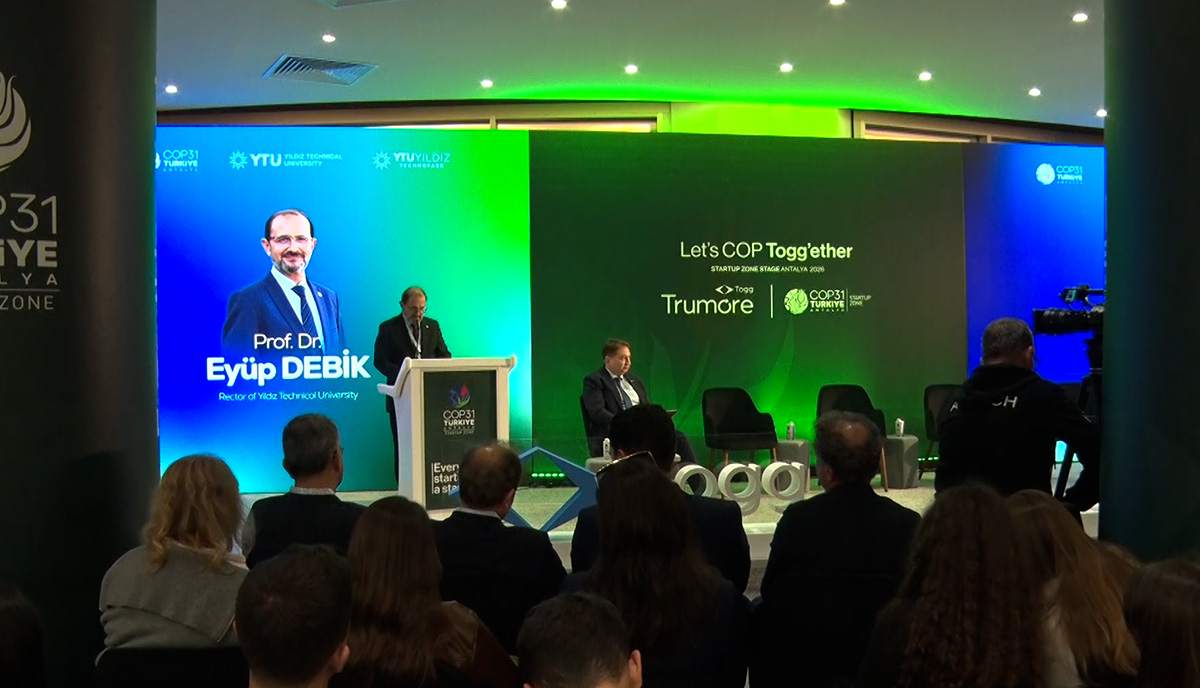
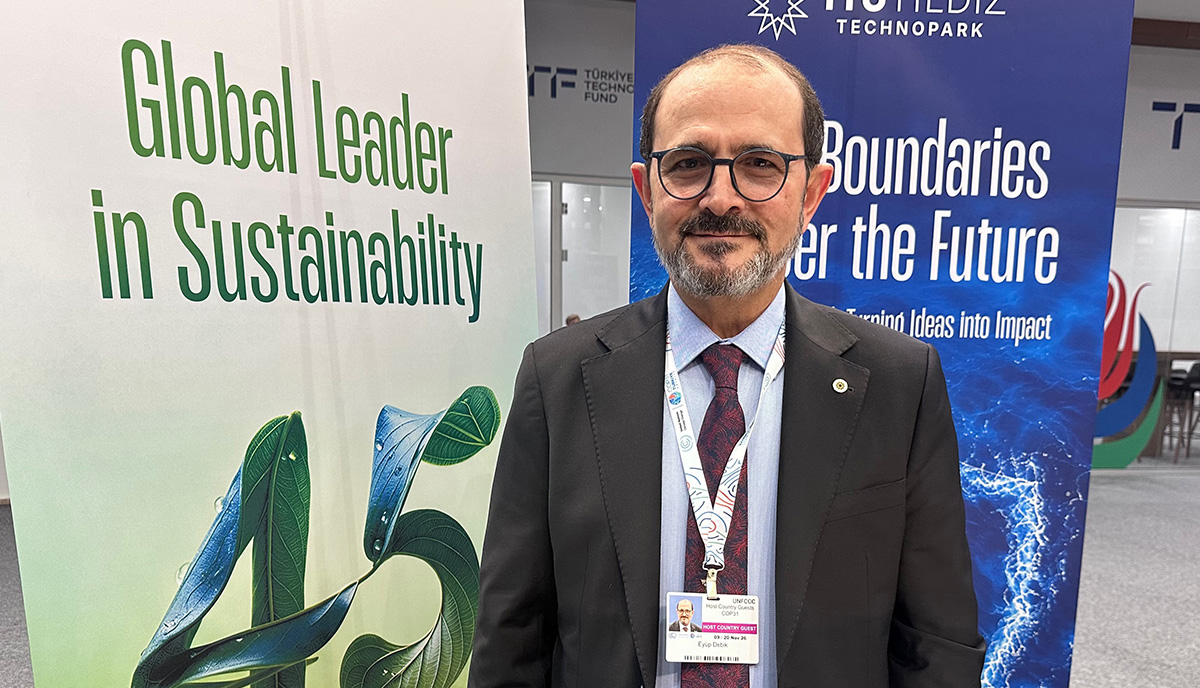
Yıldız Technical University, ranked 45th globally and second in Turkey in the UI GreenMetric Sustainable Campus Rankings, presented its sustainability initiatives, the YTU Certification Hub—the first of its kind among Turkish universities—and the domestic certification system GreenStars at the COP31 panel. Our Rector, Prof. Dr. Eyüp Debik, stated that they aim to promote the domestic system—which will conduct sustainability audits and certification processes for institutions—on an international scale.
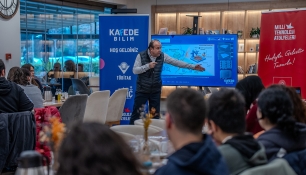
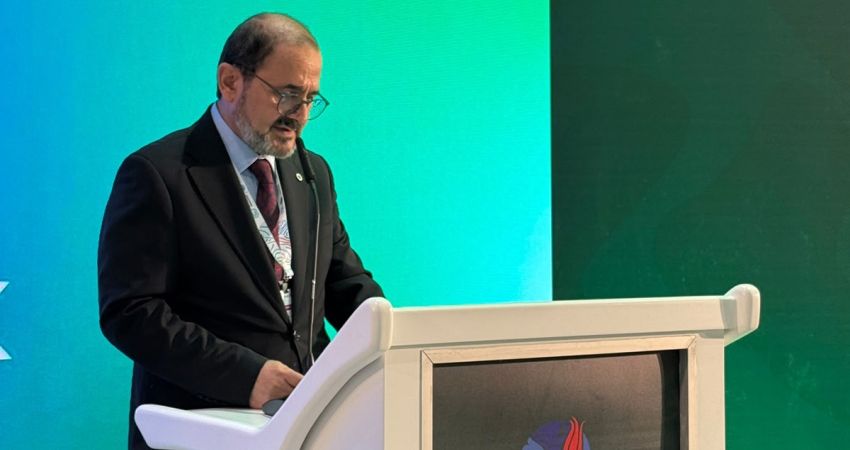
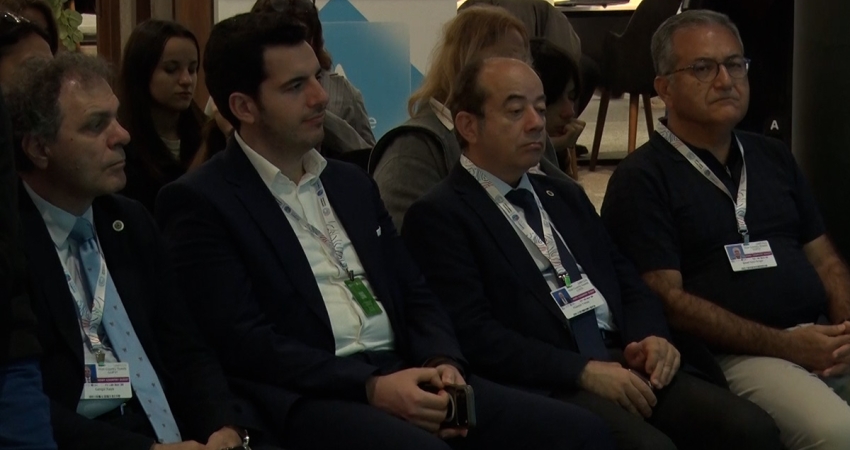
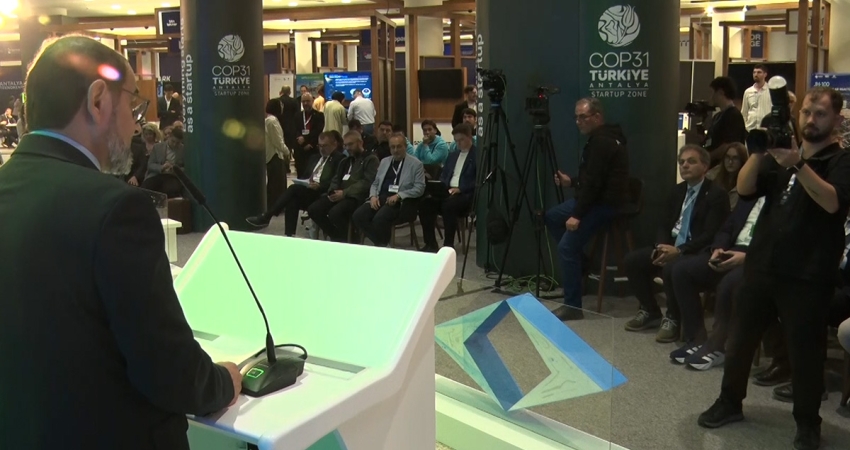
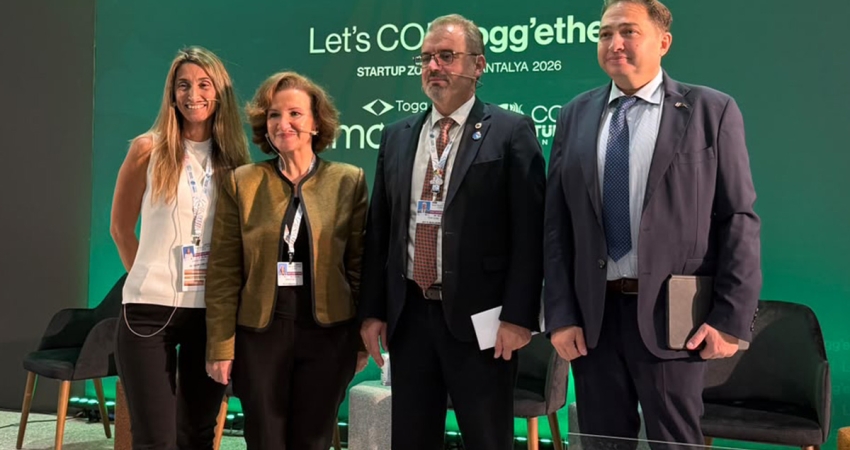
Yıldız Technical University (YTU) presented its “Science, Innovation, and Green Transformation for a Sustainable Future: Yıldız Technical University and Yıldız Technopark” panel in the (COP31) in Antalya.
Moderated by Prof. Dr. Mehmet Burçin Pişkin, the panel discussed the university’s sustainable campus model, the YTU Certification Hub, and the GreenStars certification system operated by the center.
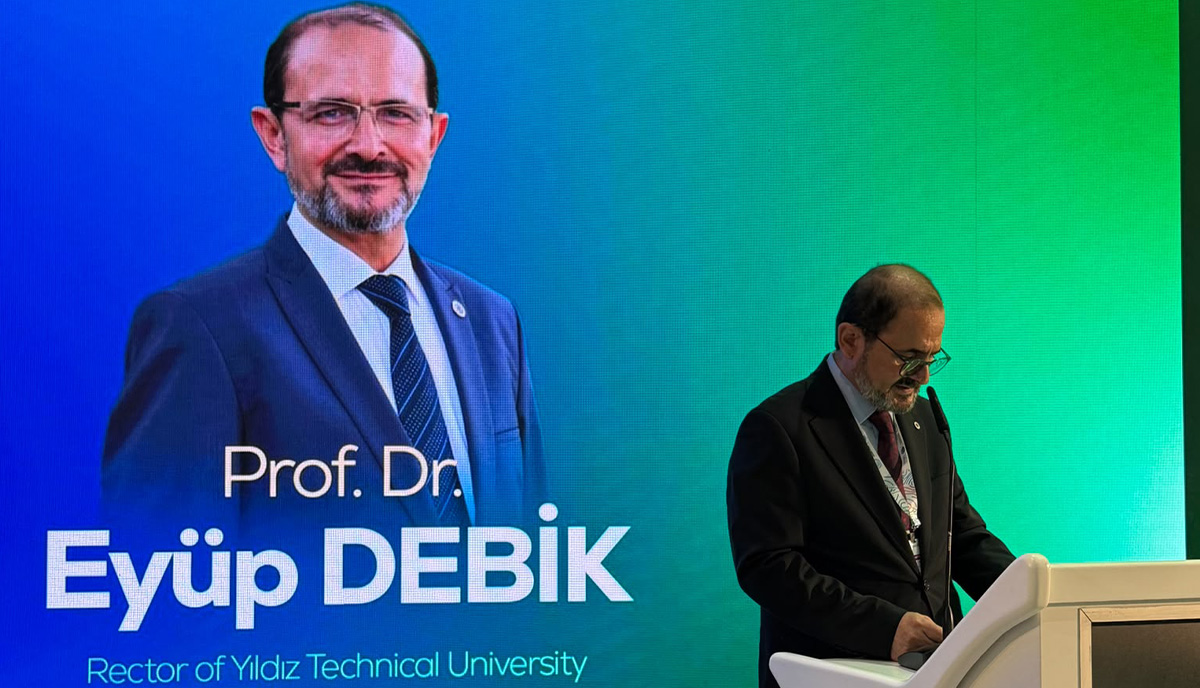
"Developed countries must take responsibility in the fight against climate change"
Prof. Dr. Eyüp Debik, Rector of YTU and Chairman of the Board of Directors of Yıldız Technopark, emphasized in his opening remarks that countries’ historical responsibilities must be taken into account in the fight against climate change. Stating that they do not consider it fair to shift the burden of the green transition onto countries struggling with development, Debik said that developed countries such as the United States and the United Kingdom must assume greater responsibility in proportion to their past carbon emissions.
Expressing that they expect these countries to reduce their own emissions, provide financing, and share technology, Debik said, “The goal of protecting the environment must not become a tool of pressure that curtails the right of developing countries to development. We advocate for a transition that enhances access to clean energy and environmental technologies and ensures a fair sharing of responsibilities,” he said.
Domestic Standards Center to Launch on November 27
Debik noted that they want Turkey to develop its own technologies and standards in the green transition and provided information about the YTU Certification Hub, which will open on November 27.
Noting that the center will integrate the university’s academic expertise into standard development, evaluation, and certification processes, Debik said, “With our qualified lead auditors, we will offer certification services for international management systems such as ISO 9001 Quality, ISO 14001 Environment, and ISO 45001 Occupational Health and Safety,” he said.
Explaining that GreenStars, located within the Certification Hub, brings together green, social, and digital transformation under an integrated management approach, Debik said, “We are advancing this approach—which we align with the United Nations’ 17 Sustainable Development Goals— we are advancing with a vision to develop a domestic standard that extends from Turkey to the world,” he said. Debik explained the purpose of these efforts, stating, “We want Turkey to have a say as a country that develops green transformation technologies and contributes to the formation of international standards.”
YTÜ’s Sustainable Campus Model
YTÜ Vice Rector Prof. Dr. Güleda Engin, meanwhile, shared the university’s sustainability practices and research during the panel. She noted that, as part of the Energy Efficiency in Public Buildings (KABEV) Project, thermal insulation was installed in 11 buildings, LED lighting, and more efficient heating and cooling systems had been implemented in 11 buildings, and noted that approximately 7,000 solar panels had been installed on building roofs and parking lots.
Explaining that water management utilizes the reuse of rainwater and drainage water along with drought-resistant landscaping practices, Engin said that tap water consumption in 2025 decreased by 15 percent compared to the previous year. Engin also noted that 31.46 percent of the campus’s water needs are met from sources outside the municipal water system.
Engin explained that the university’s research focuses on clean energy, hydrogen, and energy storage, as well as water reuse and sustainable materials. He noted that research conducted at the Institute of Clean Energy Technologies ranges from hydrogen production and storage to energy management, while water-related studies cover advanced treatment, membrane technologies, and resource recovery from wastewater.
316 R&D Projects at the Technopark
Prof. Dr. Özer Çınar, Senior Advisor to the YTÜ Rector and Vice Chair of the Yıldız Technopark Board of Directors, also shared the Technopark’s work in the areas of sustainability, the environment, and the green transition. He noted that there are a total of 316 completed and ongoing R&D projects involving more than 100 companies operating in these fields.
Çınar cited the system installed by Artemis Arıtım at a radiator factory in Çorlu as an example of water recovery in industry. He explained that the system was developed to recover test water used at the factory.
Touching on technologies for monitoring marine ecosystems, Çınar introduced the underwater robot developed by Lenta Marine. Çınar noted that the robot is used to monitor seagrass beds off the coast of Şile.
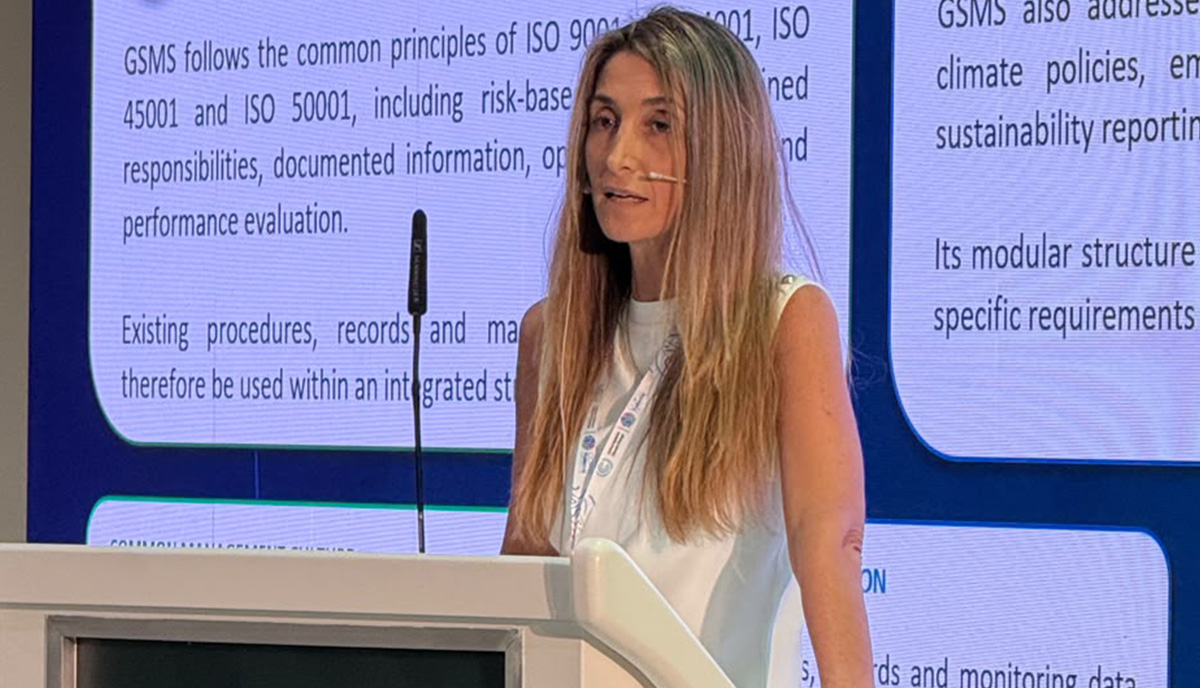
GreenStars Transforms Sustainability Commitments into Measurable Processes
Prof. Dr. Gamze Varank, Dean of Students and Faculty Member in the Department of Environmental Engineering at YTU, explained how the GreenStars certification process—repositioned under the YTU Certification Hub—is implemented within organizations. Varank stated, “GreenStars transforms sustainability commitments into manageable and measurable processes,” noting that the system establishes a link between goals and day-to-day operations.
In the system, the organization’s current status is first assessed, followed by the definition of goals, performance indicators, and responsibilities. The results of these initiatives are evaluated based on evidence to identify areas for improvement. Varank emphasized that the records maintained at every stage create a verifiable process, from the commitment made to the resulting outcome.
The GreenStars certification program, which features different application modules for universities, industrial organizations, healthcare institutions, and public agencies, tailors its indicators to the organization’s activities and scale. In addition to energy and water consumption, worker health and safety, data reliability, and management accountability are examined. Following certification, the continuity of the applications is monitored through surveillance audits.
An accreditation system developed in Turkey
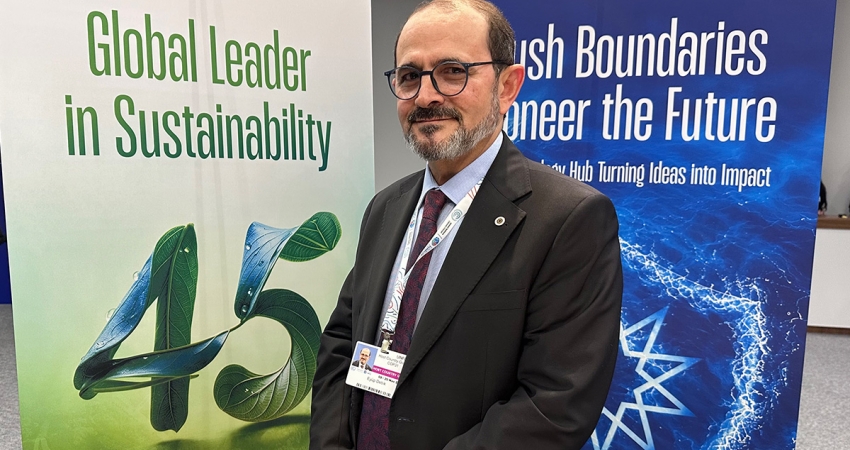
Debik, who discussed the university’s sustainability efforts with IHA, stated that the launch of the YTU Certification Hub—the first of its kind among Turkish universities—will take place on November 27. Debik said, “We are talking about the first certification center established within a university in Turkey and the world’s first internationally accredited green transition and sustainability certification developed in Turkey.” Noting that GreenStars will evaluate institutions’ green transition and sustainability efforts as well as the quality of these initiatives, Debik explained that they are continuing their work to ensure the system—developed in Turkey—is used on an international scale.
Green Transition School at YTÜ
Debik also touched on the Green Transition and Sustainability School, which opened this year under the leadership of the Higher Education Council and coordinated by Yıldız Technical University, noting that they are reaching different segments of society through the school’s distance learning program. “I can say this is one of our most important initiatives,” Debik said regarding the program, adding that the university also offers master’s programs for students wishing to specialize in this field. Recalling that YTÜ ranks 45th globally and second in Turkey in the UI GreenMetric World University Rankings, Debik said, “We said we would be among the top 50 in the world; now we are aiming for even higher rankings.” Noting that universities carry out both educational and research activities, Debik emphasized that while preparing young people for the future, they must develop technologies that will ensure the more efficient use of natural resources.
Pointing to the need for collaboration between universities, the public sector, and the private sector to translate research into practical applications, Debik noted that this relationship has not yet been established effectively enough in Turkey. “Universities conduct R&D, and this R&D is a long-term endeavor. When this work is completed, a high-quality product emerges,” Debik said, noting that the public sector and industry have a role to play in making research results applicable.
Noting that TÜBİTAK and public institutions provide significant support for research in this field, Debik emphasized that universities must increase their efforts in green transformation and sustainability. Debik said, “Universities will conduct R&D and develop a product. The public sector and industry will then make it accessible to society. Such collaboration is absolutely essential.”
“Young People Are More Aware and Motivated”
Sharing his observations about the student volunteers working at COP31, Debik noted that young people appear to be more aware and motivated regarding climate issues than his own generation. “Efforts are actually being made to secure their future. Therefore, they are more fully committed to this cause,” said Debik, emphasizing that his own generation also bears responsibility. Noting that efforts must be accelerated to leave a better future for young people, Debik said, “We need to actually do this—not just go through the motions.”
Other News