



























R&D and Graduate Education Partnership with a Logistics Giant
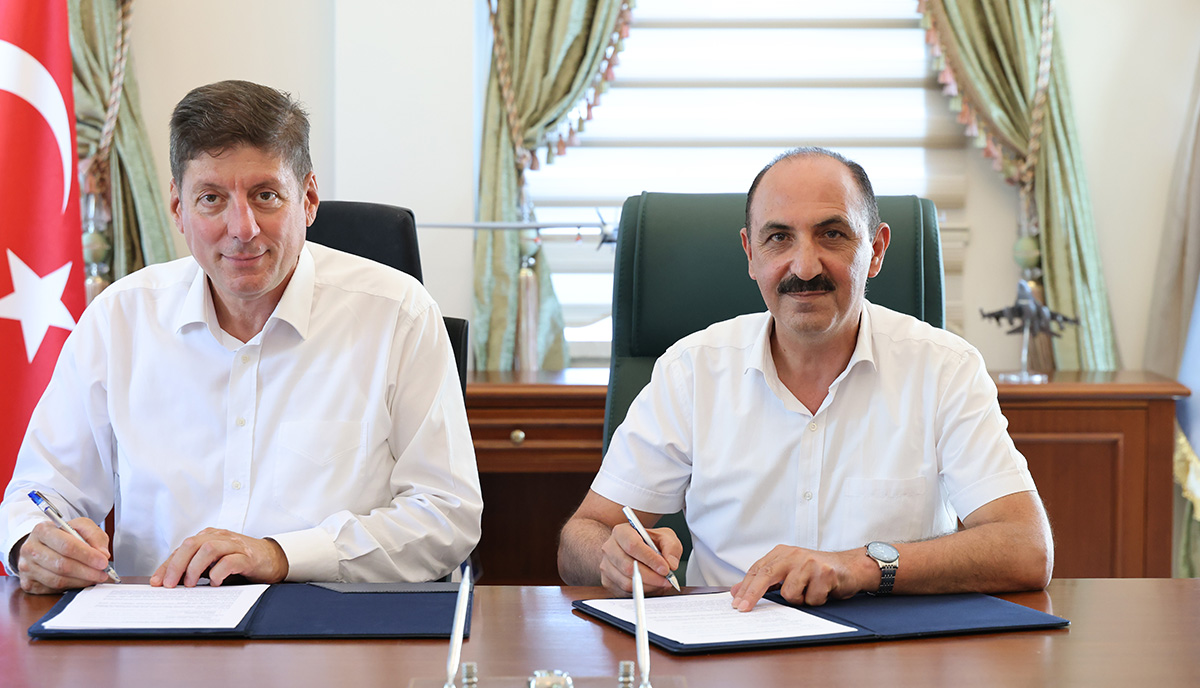
A University-Industry Collaboration Protocol regarding the admission of graduate students based on R&D projects was signed between the Institute of Natural Sciences at Yıldız Technical University and Horoz Logistics. The protocol aims to link the company’s R&D activities with graduate education programs and to develop high-quality R&D projects tailored to the needs of the industry.
A University-Industry Cooperation Protocol regarding the admission of graduate students based on R&D projects was signed between the Institute of Natural Sciences at Yıldız Technical University (YTÜ) and Horoz Logistics Cargo Services and Trade Inc. Through this collaboration, the goal is to integrate the R&D activities conducted within Horoz Logistics with YTÜ’s academic expertise and research capacity.
Real-world industry needs can be translated into thesis projects
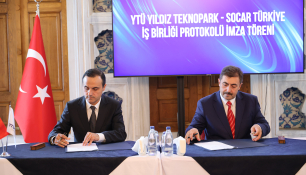
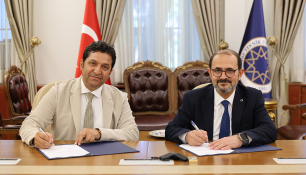
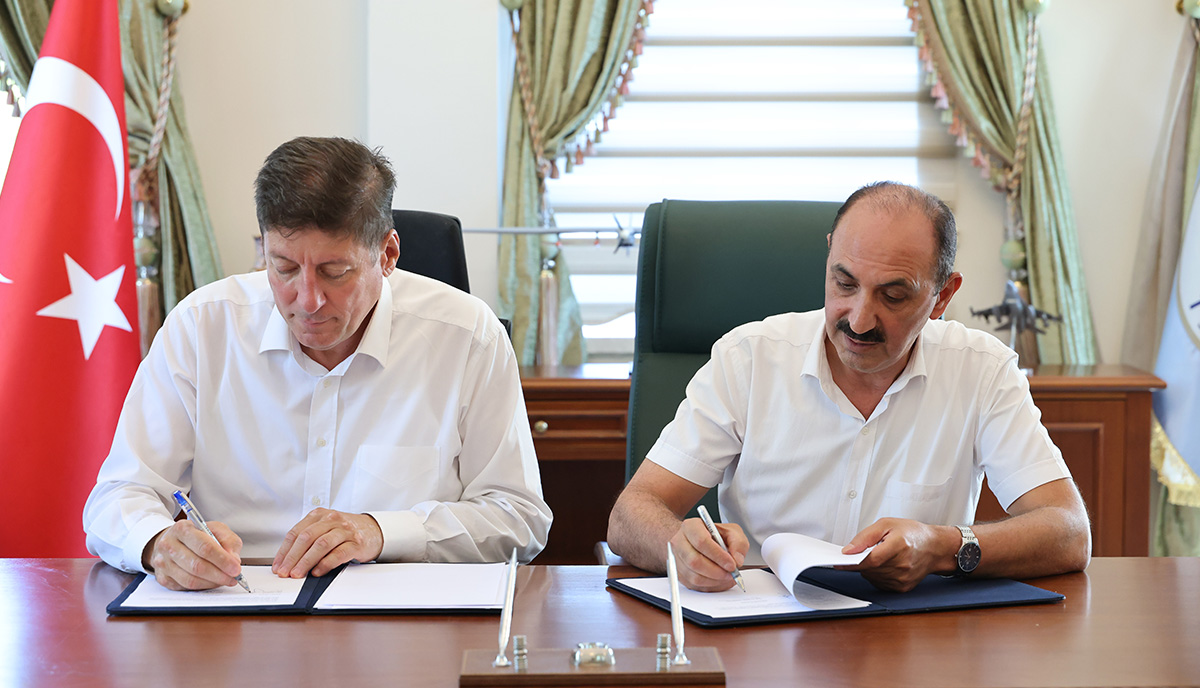
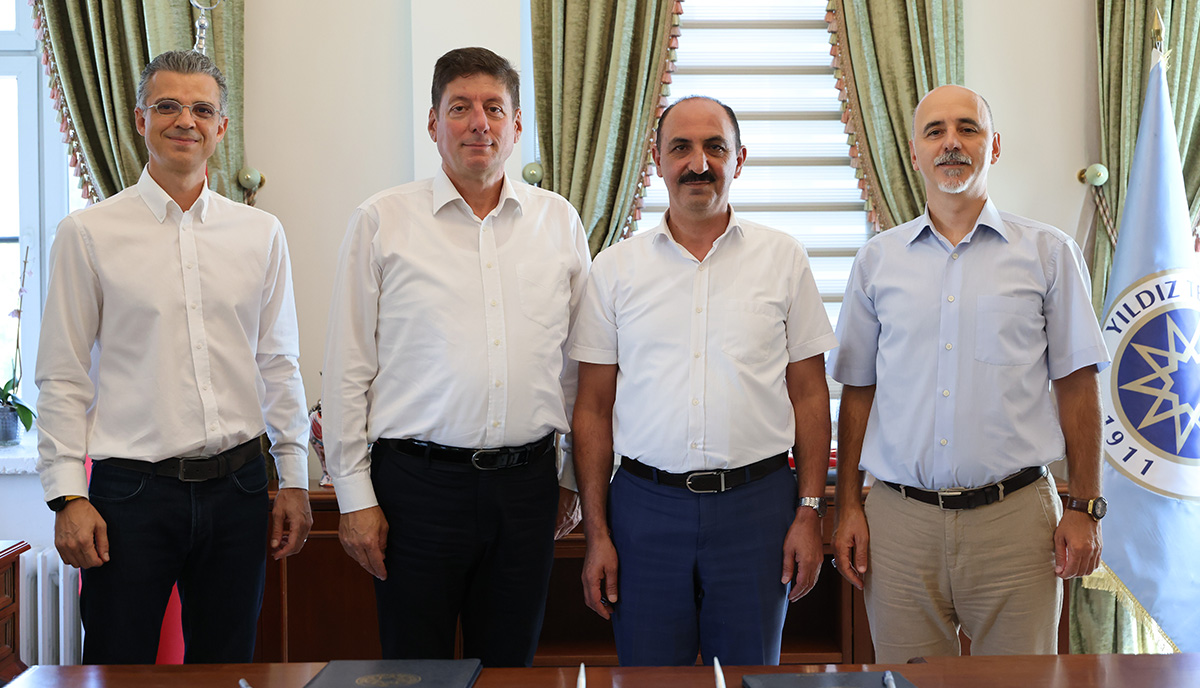
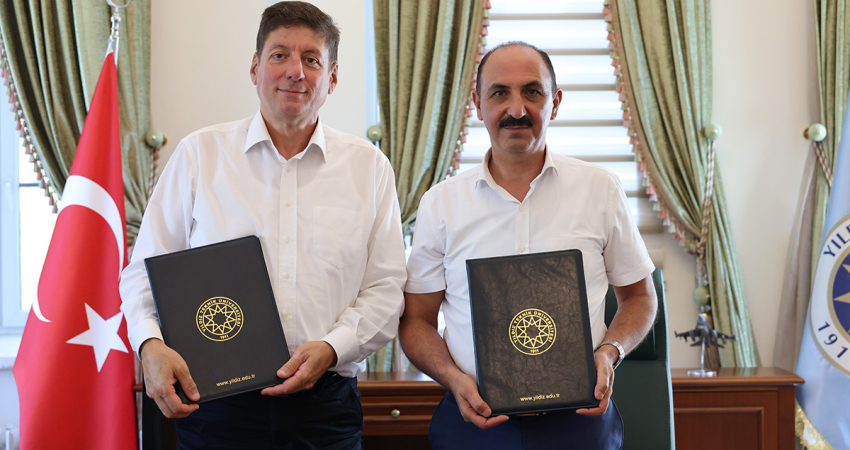
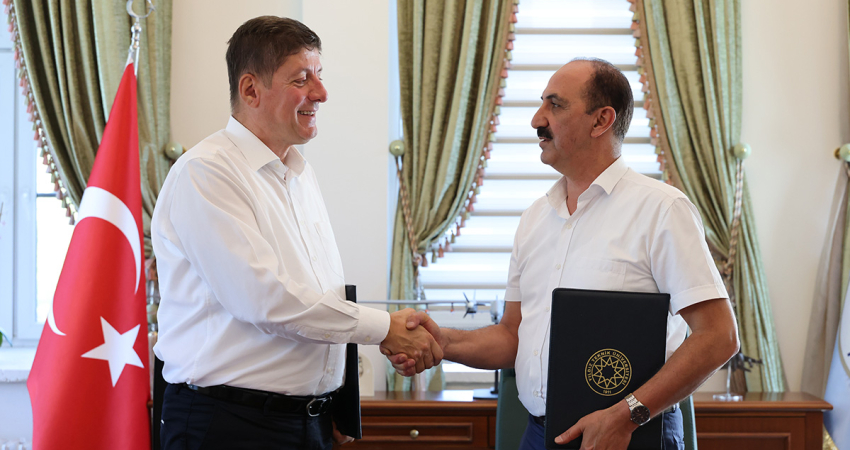
The protocol was signed by YTÜ Vice Rector Prof. Dr. Vatan Karakaya and Horoz Logistics Information Systems Group President Uğur Özgür Duman; with the participation of Prof. Dr. Selçuk Çebi, Director of the YTÜ Institute of Natural Sciences, and Ersin Şengül, Director of Projects and R&D at Horoz Logistics.
Under this collaboration, Horoz Logistics employees will be able to link the R&D projects they are working on to their master’s or doctoral studies at YTÜ. The goal is to transform real-world needs encountered in the industry into graduate thesis projects and applied R&D initiatives.
University-industry collaboration will be strengthened
The protocol is expected to facilitate the integration of YTÜ’s academic and research infrastructure with Horoz Logistics’ industry experience. In this context, the goal is to transfer academic expertise to meet industry needs, develop application-oriented R&D efforts, and strengthen the transfer of knowledge and technology between the university and industry.
Contributing to the development of qualified human resources
By conducting R&D projects in tandem with graduate education programs, the goal is for students and industry professionals to develop both academic knowledge and practical experience within the same process. The collaboration is expected not only to contribute to the development of the qualified workforce needed by the logistics sector but also to support the development of innovative products, services, and processes.
The protocol stands out as a significant step toward developing university-industry collaborations that bring together the university’s academic expertise and the sector’s current needs on a common R&D platform.
Other News