



























A locally produced modular seismic isolator from YTÜ suitable for any building
The modular seismic isolator developed as part of a project carried out at YTÜ in collaboration with industry and with support from TÜBİTAK offers an innovative solution with its design adaptable to structures of various sizes. This domestically developed system, which allows isolators of any desired size to be created by assembling standard subunits according to the construction project, stands out for its cost and time advantages.
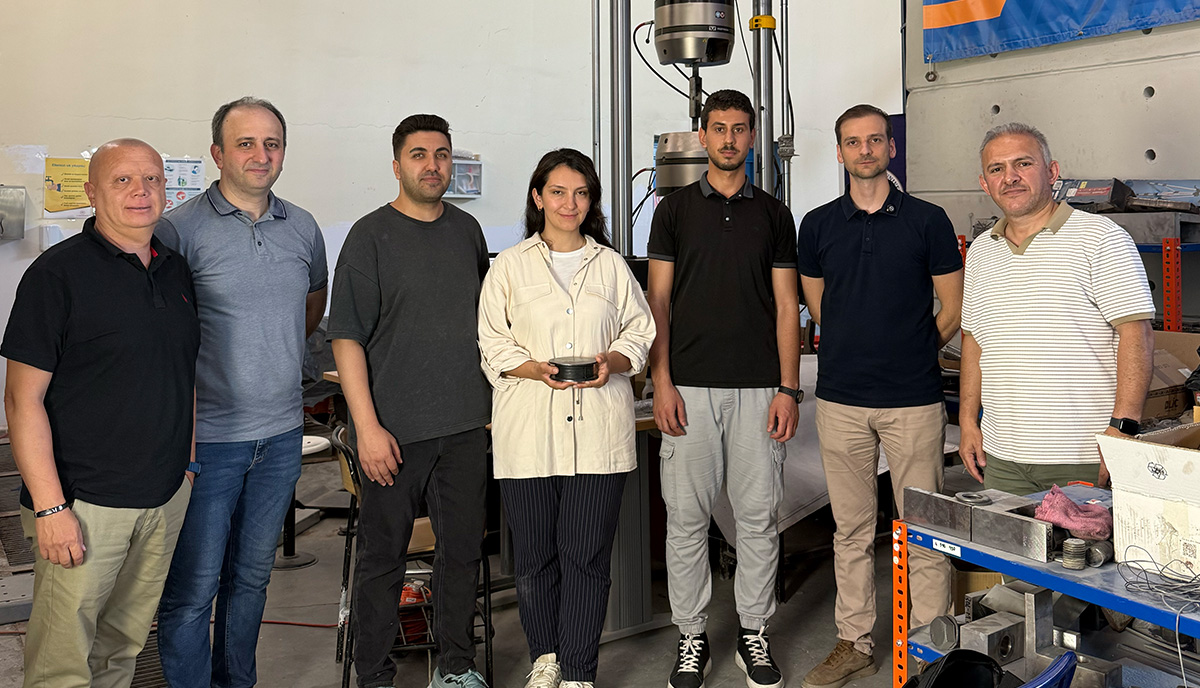
As part of the TÜBİTAK 1501-funded project carried out at the Structural Laboratory of the Department of Civil Engineering at Yıldız Technical University, a modular seismic isolator is being developed to reduce the motion and effects structures are exposed to during earthquakes. Led by Prof. Dr. Serkan Bekiroğlu, a faculty member in the Department of Civil Engineering at YTÜ, the study is being carried out with the coordination of Yıldız TTO AŞ in the university-industry collaboration and the expertise of Ferge Engineering in the field of elastomer technologies.
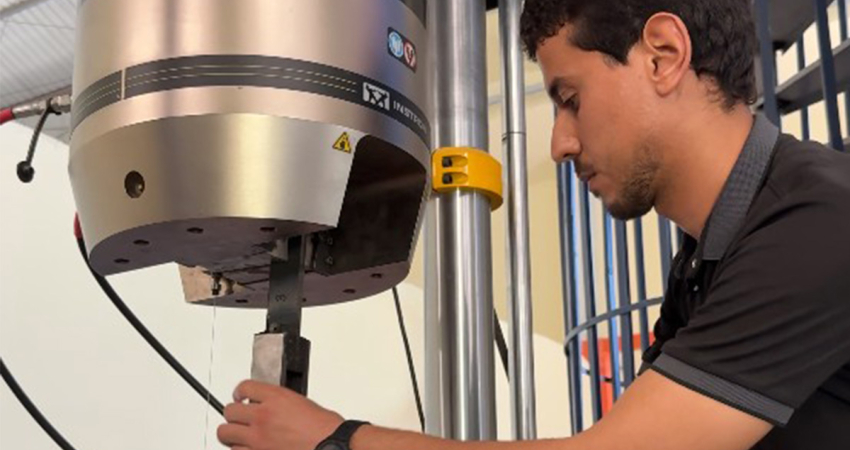
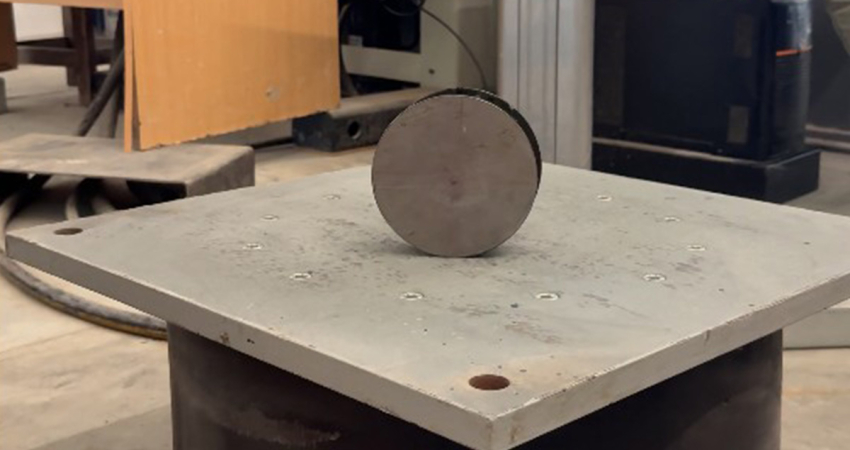
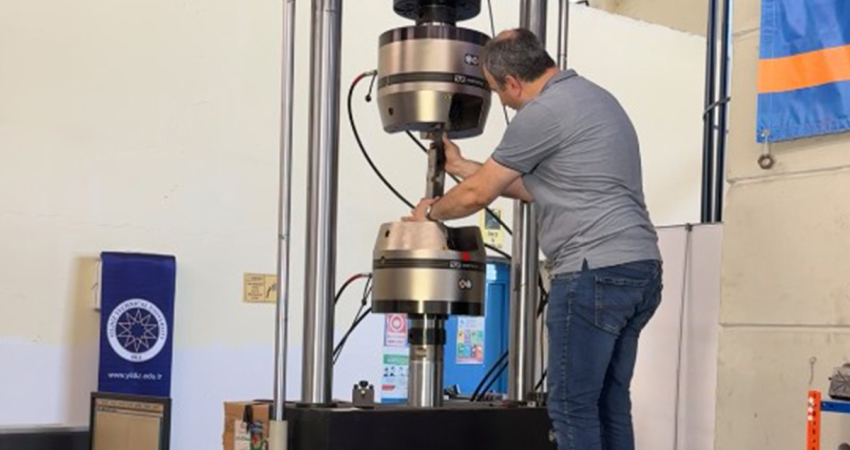
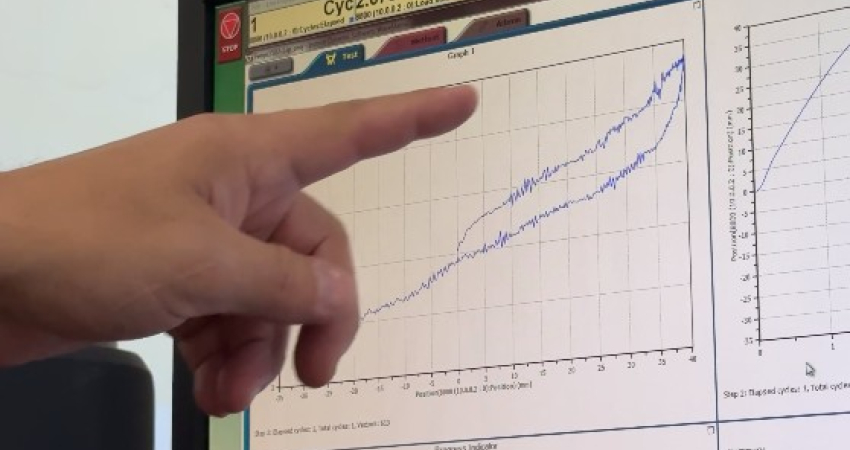
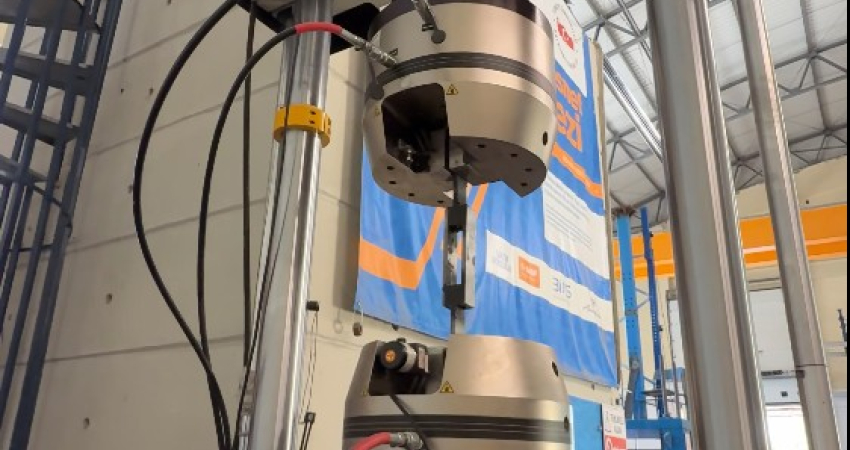
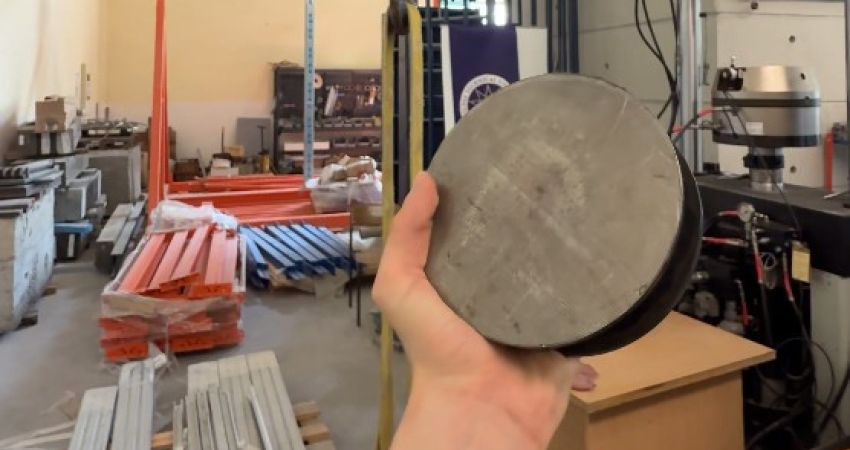
The project has now entered the prototype phase, and mechanical testing is ongoing. The primary goal of the project is to ensure that structures exhibit safer behavior by limiting the acceleration and displacement transmitted to the superstructure during an earthquake.
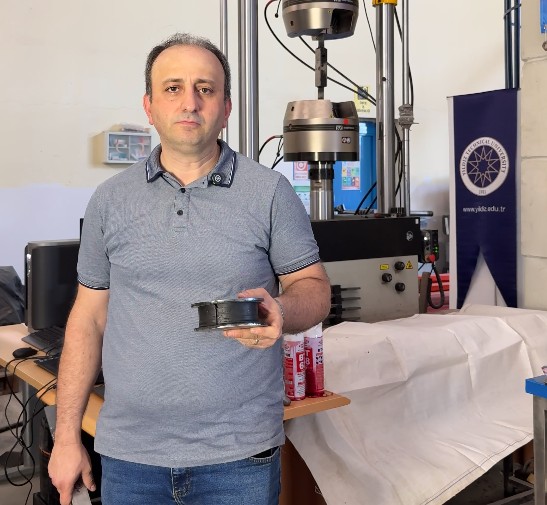
Prof. Dr. Serkan Bekiroğlu stated, “We aim to develop a modular seismic isolator in our country that will minimize the effects of earthquakes, which cause the most loss of life and the greatest material damage.”
Isolators of any size thanks to modular design
The most important feature of the developed system is that, rather than producing a completely custom isolator from scratch for each construction project, standard subunits can be assembled according to specific needs. Thanks to this system, smaller or larger isolators can be created as needed. This provides significant advantages in terms of both time and cost. The modular design also aims to reduce human error.
Time and cost savings are targeted through standardized production
One of the project’s standout features is a production model designed to make seismic isolators more accessible. While the traditional method requires producing isolators with different specifications for each structure or project, the developed system will allow for the production and stockpiling of standard subunits in specific quantities.
By combining existing standard units for different construction projects, the goal is to quickly assemble isolators of various sizes and respond to needs more promptly.
Prof. Dr. Bekiroğlu explained the advantage of this production approach, stating, “Since we can produce the isolator units—which would otherwise have to be custom-made for each project—as standard components and assemble them in specific quantities, this will provide a significant time-saving and cost-saving opportunity.”
The standard production model will also contribute to more efficient testing processes. In standard practices where all isolators are redesigned and manufactured anew for each project, testing increases costs and prolongs the process. With the modular system, however, testing time is reduced while costs are lowered.
Effectiveness is also targeted in small and medium-scale earthquakes
The modular isolator system was not designed solely as a solution to prevent building collapse during major earthquakes. The goal is to limit the acceleration and displacement transmitted to the superstructure during small and medium-scale earthquakes that do not cause collapse.
Noting that while the effects of an earthquake diminish as distance from the fault increases, structures can still be affected by these movements, Prof. Dr. Bekiroğlu stated, “We aim for the seismic isolator to function as a protective shield for buildings in distant regions during major earthquakes or during non-destructive minor tremors. In other words, our goal is to prevent the building from becoming fatigued during non-destructive tremors and to ensure its long-term usability.”
Wide range of applications from hospitals to residential buildings
The system developed by Yıldız Technical University is intended to be widely adopted not only in critical structures such as hospitals but also in residential buildings. Drawing particular attention to buildings being rebuilt as part of urban renewal, Prof. Dr. Bekiroğlu said, “We hope to increase production of the product so that it becomes widespread in residential buildings as well.”
Domestic production will increase accessibility
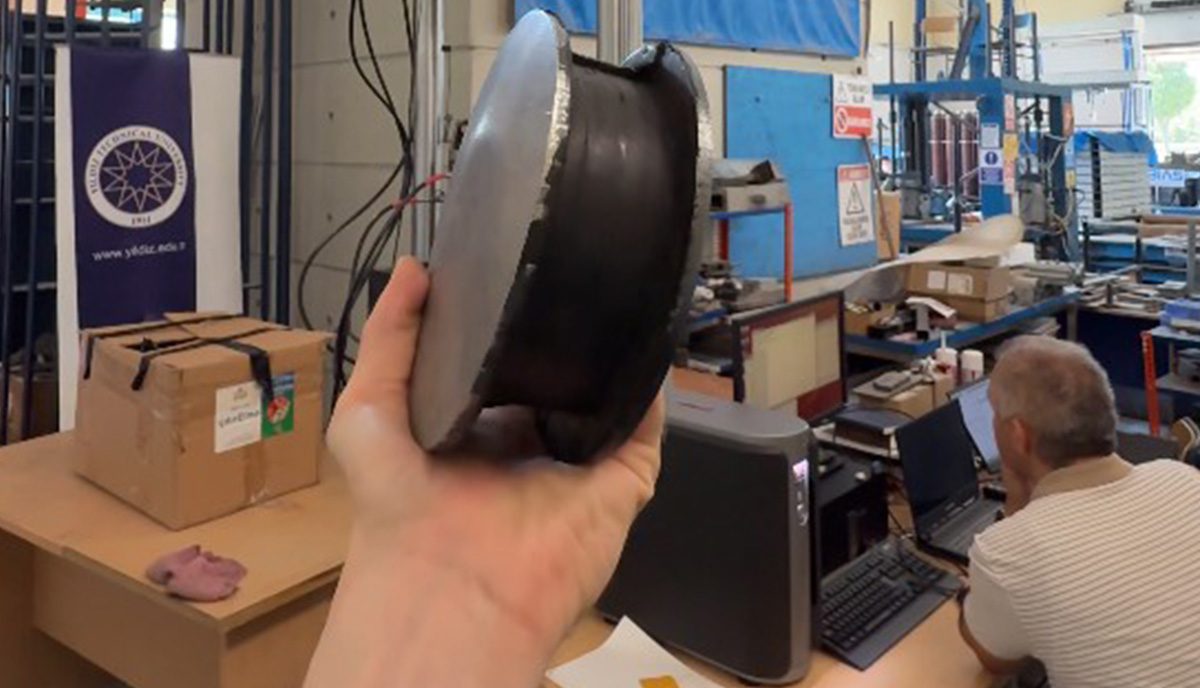
Relying on imported seismic isolators brings with it a challenging process in terms of cost, access, and testing procedures. The project aims to eliminate these challenges through domestic production. One of the project’s goals is to make isolators affordable and accessible for various construction projects as domestic production becomes more widespread.
YTÜ’s infrastructure is used for testing processes
Before isolators can be used in buildings, they must undergo specific mechanical tests. The limited number of laboratories in Turkey capable of conducting these tests is a significant issue in the development and production of isolators.
The Support Damping Test Center at Yıldız Technical University provides essential infrastructure for the project’s testing activities. Mechanical tests on the prototypes are conducted not only at YTÜ’s laboratory facilities but also at Ferge Engineering’s workshop.
The foundations of the project were laid following the 2023 earthquakes
The late Prof. Dr. Ahmet Ekerim made significant contributions during the project’s conceptual phase. Prof. Dr. Ekerim spearheaded the formation of the project’s core team by bringing together representatives from academia and the industry. Prof. Dr. Bekiroğlu stated, “After bringing the team together, he consistently supported us throughout the progress, development, and the entire process leading up to the project phase.”
Following Prof. Dr. Ekerim’s passing, the project team continued its work, and with the support of Yıldız TTO AŞ, the project received funding under the TÜBİTAK 1501 program and moved into the R&D phase.
Academia and Industry Come Together in the Same Project
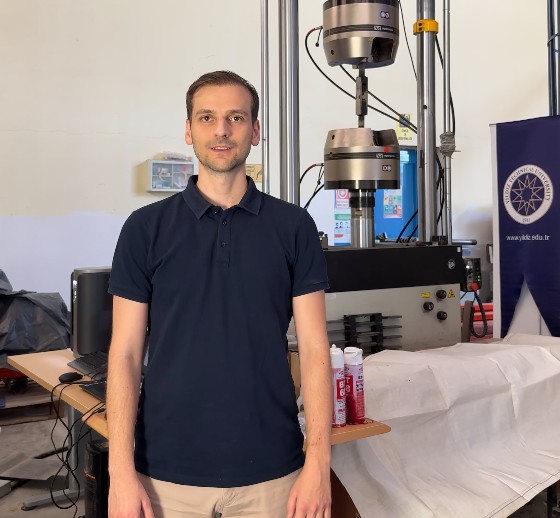
The project brings together Yıldız Technical University’s academic and laboratory infrastructure with Ferge Engineering’s expertise in elastomer technologies.
Fatih Erdoğmuş of Ferge Engineering noted that the project emerged from the convergence of different areas of expertise, stating, “We collaborated with other units of the university through Yıldız TTO AŞ to address critical needs. Therefore, such a project could only have come to fruition through this kind of collaboration.”
Erdoğmuş also emphasized the importance of the project not remaining merely an academic endeavor, stating, “This project is by no means a standalone, academic study that will remain confined to the laboratory. It is a testament to a successful university-industry collaboration where we are seeing the results very quickly in the field.”
Field testing is planned
In the project, where R&D work continues with support from TÜBİTAK 1501, prototype production and mechanical testing are ongoing.
In the next phase of the project, the goal is to move on to field tests and evaluate the applicability of the developed insulator system in different types of structures.
Fatih Erdoğmuş said, “Some of our tests are continuing here, and some are taking place in our workshop. We will begin field tests soon, and we are doing our best to prepare to use these in many areas and on many existing buildings across Turkey.”
https://youtube.com/shorts/j7QjhzC2L60?si=SGvnBy2nNrf3-hgM
Other News