

























YÖKAK’s “Evaluator Advanced Training” Was Held at YTÜ
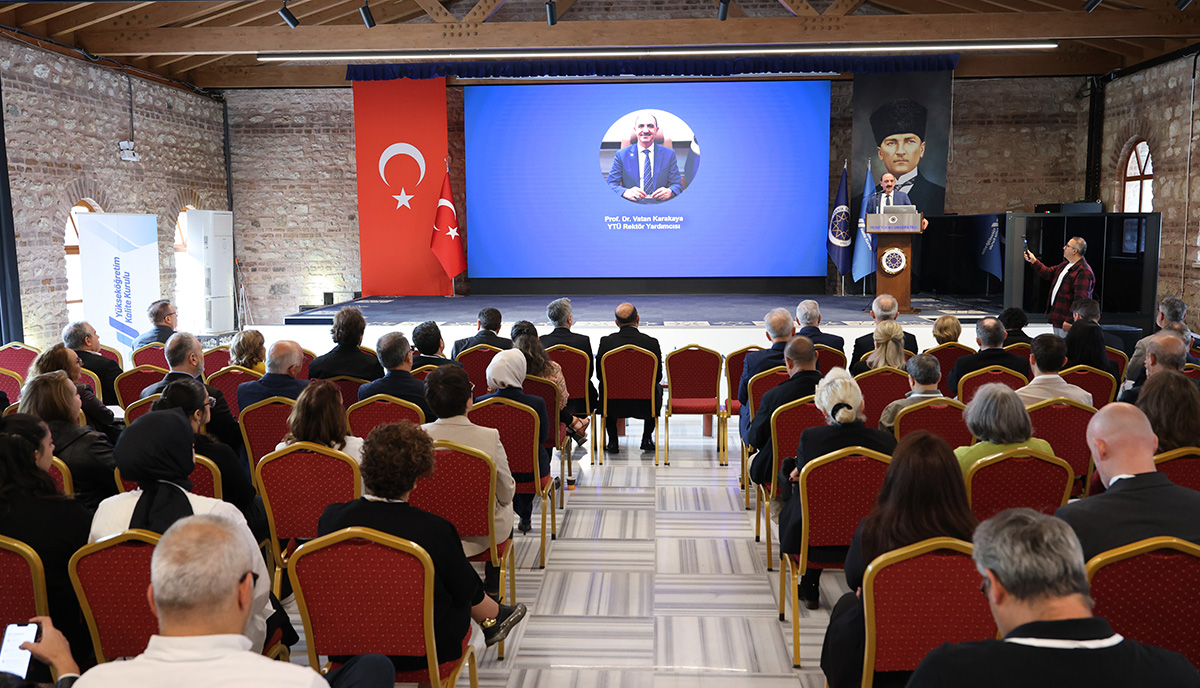
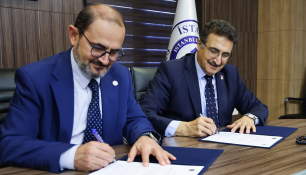
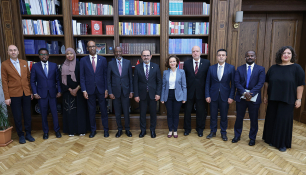
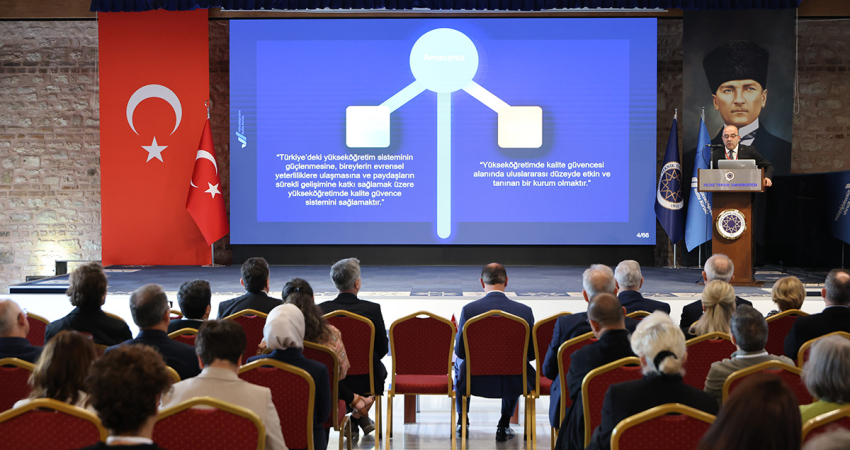
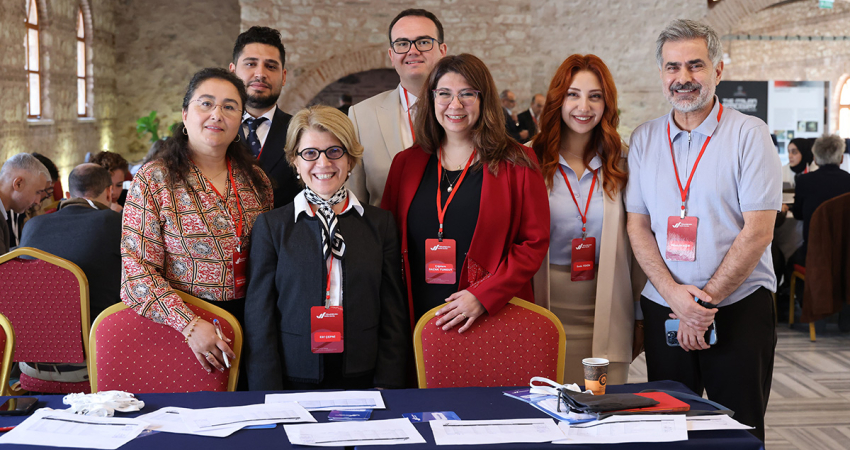
The 2026 Evaluator Advanced Training Program, organized by the Higher Education Quality Council to strengthen the quality assurance system in higher education and enhance the competencies of evaluators involved in assessment processes, was hosted by Yıldız Technical University. The program, held at the Historical Hamam Cultural Center, was attended by 150 participants from 83 different universities and institutions.
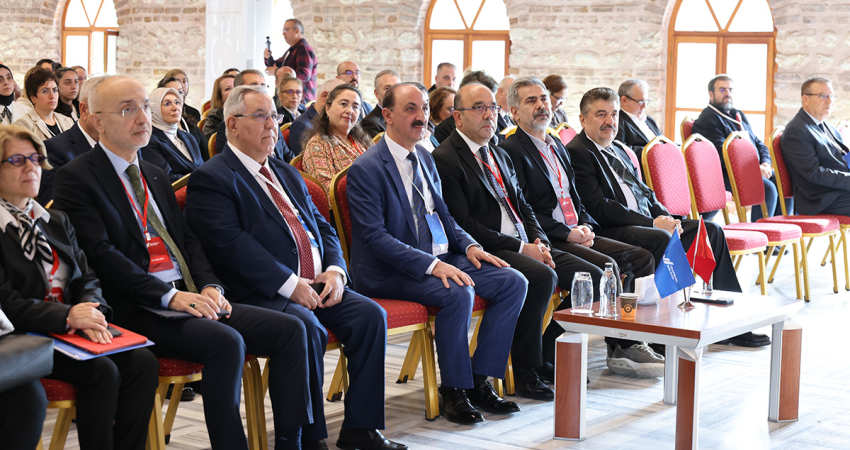
The 2026 Evaluator Advanced Training Program, organized by the Higher Education Quality Council (YÖKAK), was held at the Historic Hamam Cultural Center of Yıldız Technical University (YTÜ). The program was attended by YÖKAK Vice Chair Prof. Dr. Ramazan Bayındır, YTÜ Vice Rector Prof. Dr. Vatan Karakaya, YÖKAK Expert Prof. Dr. Yunus Nadi Yüksek, and 150 evaluators from 83 different universities and institutions.
Aimed at enhancing the knowledge and experience of evaluators involved in quality assurance and evaluation processes, the program covered topics such as the current state of quality processes in higher education, evaluation mechanisms, evidence-based evaluation, the PDCA cycle, and a common approach to evaluation processes.
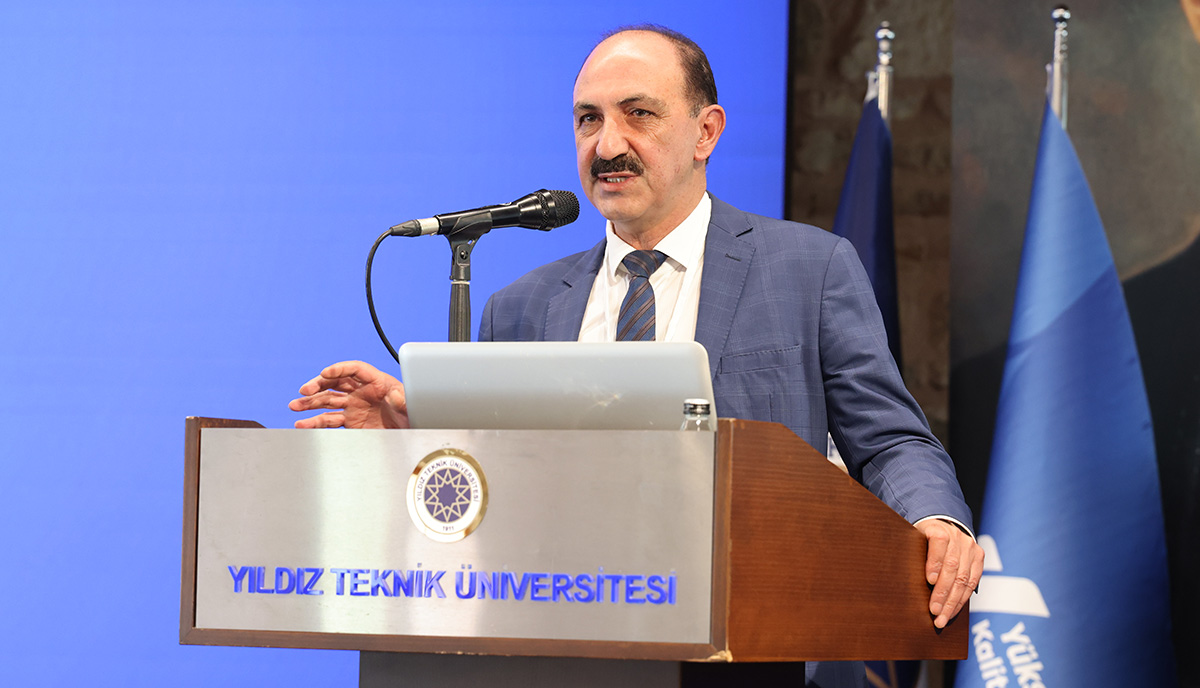
Prof. Dr. Vatan Karakaya: “The transformation of quality is achieved through monitoring and improvement”
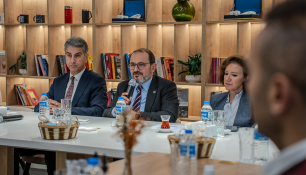
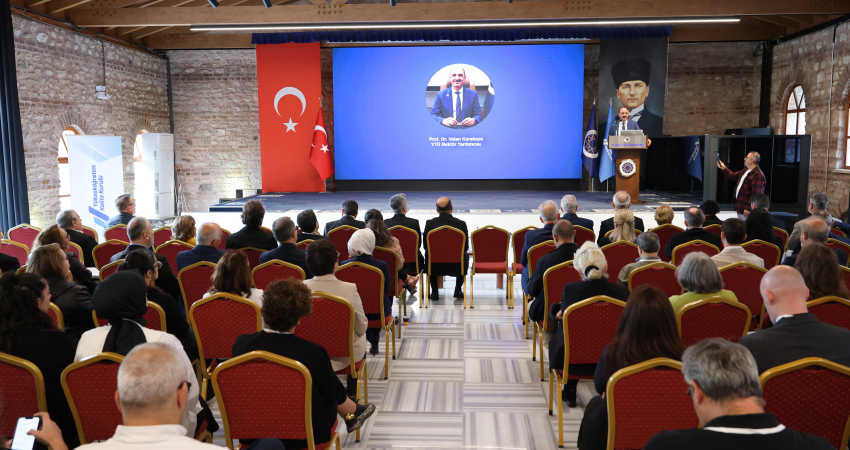
Delivering the opening remarks at the program, our YTÜ Vice Rector Prof. Dr. Vatan Karakaya noted that the culture of quality in higher education in Turkey has reached an important stage, stating that the fundamental issue moving forward is the monitoring and continuous improvement of activities carried out within institutions.
Noting that institutions have made significant progress in the planning and implementation phases of evaluation processes, Prof. Dr. Karakaya said, “Quality has truly become internalized and has reached a certain point, but there are still areas that require greater attention. “There is no task in Turkey that has been planned but not implemented. This is because every institution is subject to regulations. If there are regulations, there is a plan. If a planned task has ultimately been implemented, it is alive. This corresponds to the first two stages of the PDCA cycle,” he said.
“We must rethink quality in light of future technologies”
Noting that quality mechanisms in higher education will take on a new dimension alongside digital transformation, Prof. Dr. Karakaya emphasized the need to assess the impact of artificial intelligence and autonomous systems on quality assurance processes.
Karakaya stated, “Up until now, universities have achieved certain things here using their digital capabilities. But acknowledging that we have entered a new era, we must plan this perspective starting today, particularly in light of artificial intelligence’s autonomous structures.”
Karakaya noted that new questions have arisen regarding how to establish control mechanisms for AI-supported quality systems and how to position the human element in these processes, and he highlighted the importance of evaluators discussing these issues as well.
“Quality is not just a certificate hung on the wall”
Emphasizing that quality should not be evaluated solely as a document, report, or visible output, Prof. Dr. Karakaya said that a culture of quality must become an integral part of institutions’ daily operations and work practices.
Noting that evaluators are not merely individuals who assess the current situation during site visits, Karakaya stated that quality evaluation processes also contribute to the development of a culture of quality at universities. Karakaya said, “Quality is not just a site visit; it is also a transfer of culture. I believe that bringing this culture to universities will initiate such a transformation.”
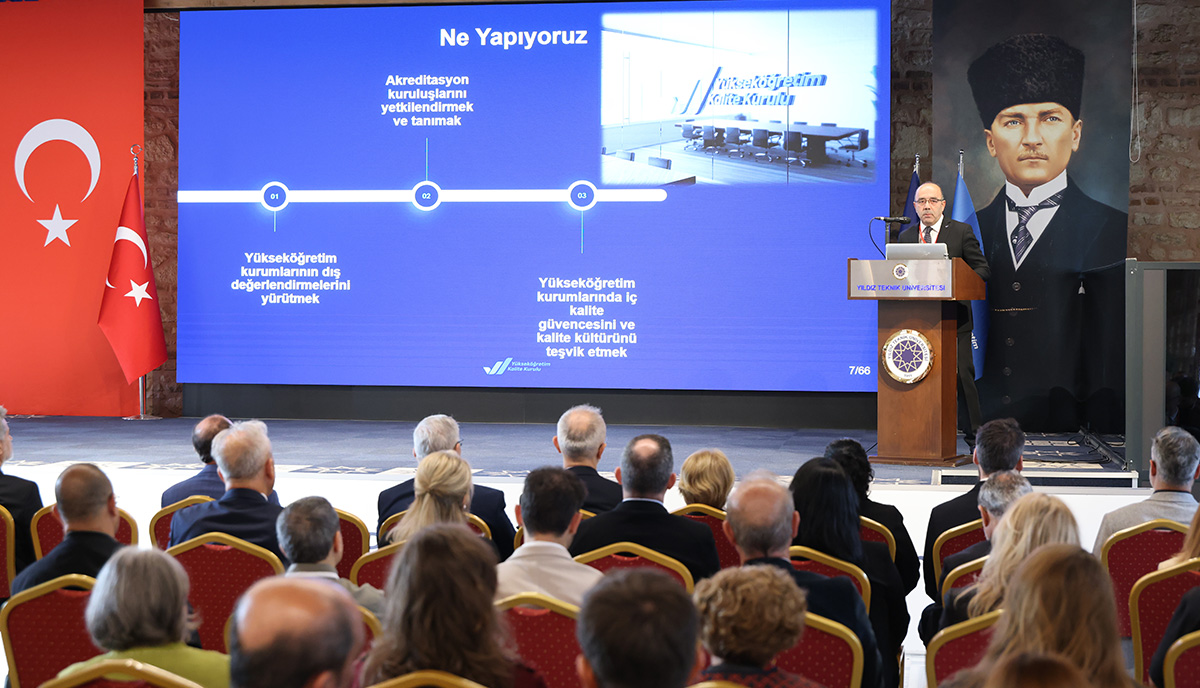
Prof. Dr. Bayındır: “Our goal is to strengthen the quality assurance system in higher education”
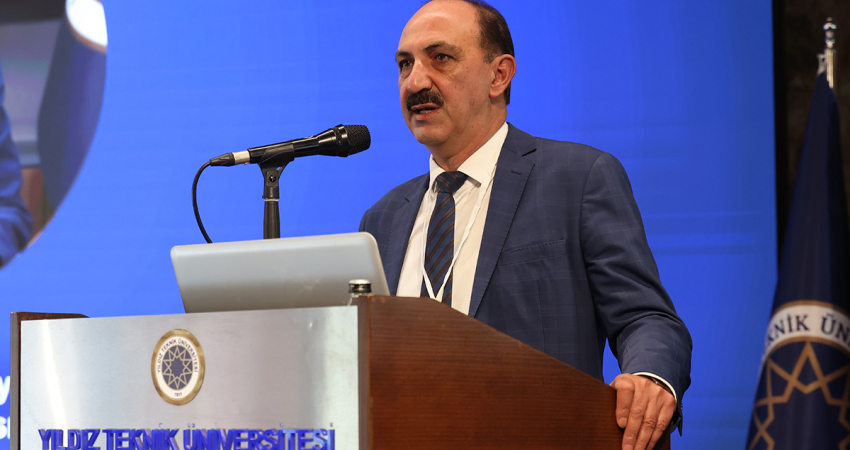
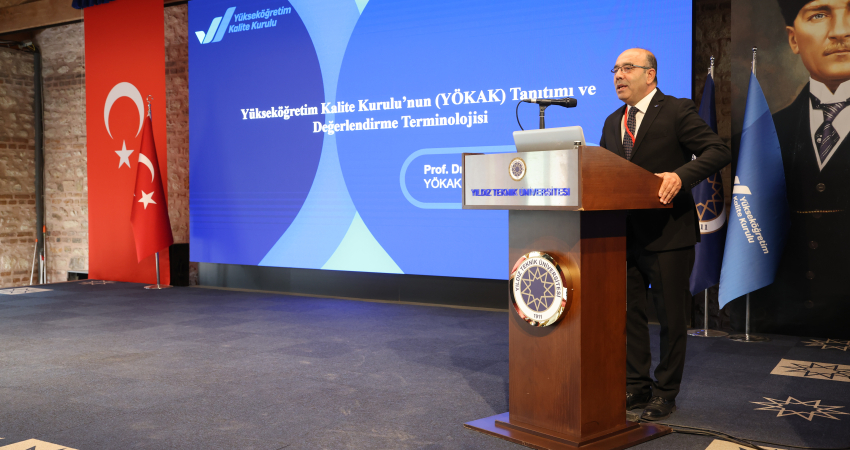
YÖKAK Vice President Prof. Dr. Ramazan Bayındır, in his presentation titled “YÖKAK Introduction and Evaluation Terminology,” shared with participants the establishment process of YÖKAK, its duties, evaluation system, and its work related to quality assurance.
Noting that YÖKAK’s work is carried out through commissions, Bayındır outlined its core areas of activity, such as institutional external evaluation, institutional accreditation, and the authorization and recognition of program accreditation bodies.
Bayındır stated that YÖKAK’s evaluation processes are based on criteria established within the framework of the European Standards and Guidelines (ESG), and explained that an evidence-based, multi-stage system is applied in the evaluation of institutions.
Emphasizing that institutional external evaluation and accreditation processes are not limited to on-site visits alone, Bayındır outlined the stages of the process, ranging from the formation of evaluation teams to the preparation of reports, expert reviews, consistency checks, and the final decision.
Bayındır noted that in forming evaluation teams, attention was paid to ensuring representation from academic, administrative, and student bodies, as well as to diversity across different universities, departments, and genders, and he highlighted the importance of bringing together diverse perspectives during the evaluation process.
“The culture of quality in Turkey has reached a significant milestone”
Noting that YÖKAK has a corporate history of approximately 10 years, Prof. Dr. Bayındır stated that the culture of quality in Turkey has developed significantly during this period.
Bayındır noted that with the widespread adoption of institutional external evaluation, monitoring, and institutional accreditation programs, universities have become more actively involved in quality assurance processes. In his presentation on YÖKAK’s data, he also shared the current figures regarding institutional external evaluation, monitoring, and institutional accreditation processes with the participants.
Efforts in the areas of internationalization and quality continue
Bayındır also touched upon YÖKAK’s efforts in the field of international quality assurance and outlined the work carried out under the international institutional accreditation program. He noted that, in addition to the collaborations YÖKAK maintains with various international organizations, knowledge-sharing activities in the field of quality continue.
Bayındır also provided information about the journal recently launched by YÖKAK and the international conferences it organizes, highlighting the importance of academic knowledge production and experience sharing in the field of quality assurance.
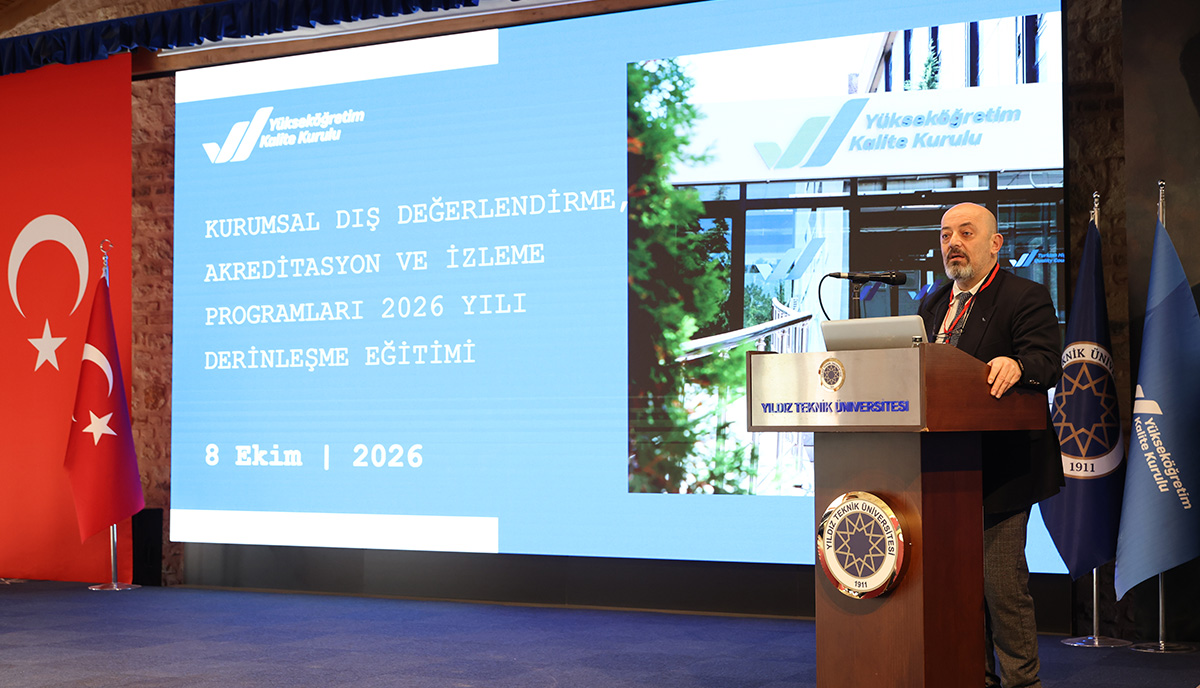
Evaluators were prepared for the process through hands-on training
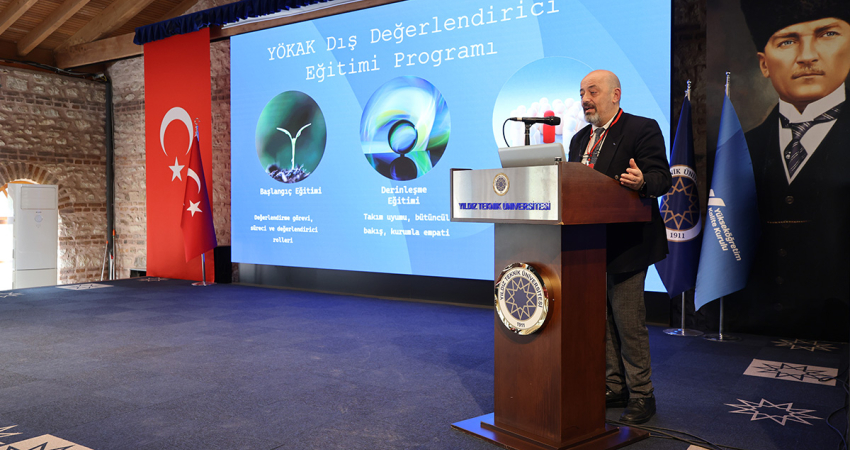
Details regarding YÖKAK’s Evaluator Advanced Training Program were shared with participants by YÖKAK Expert Prof. Dr. Yunus Nadi Yüksek.
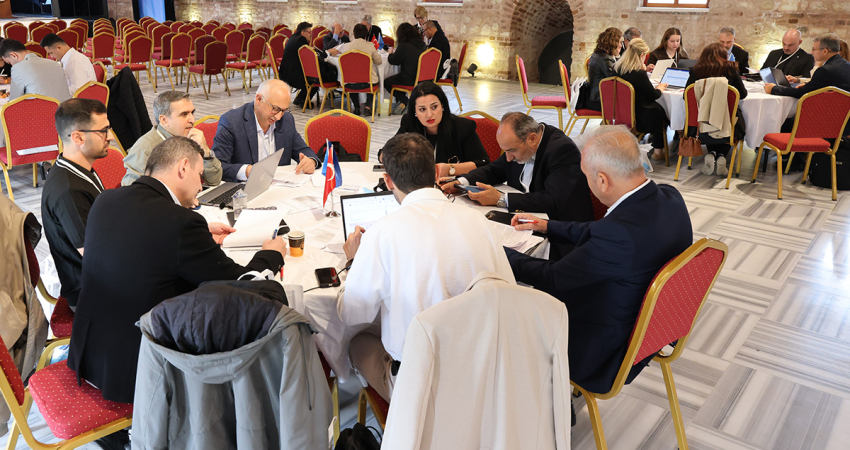
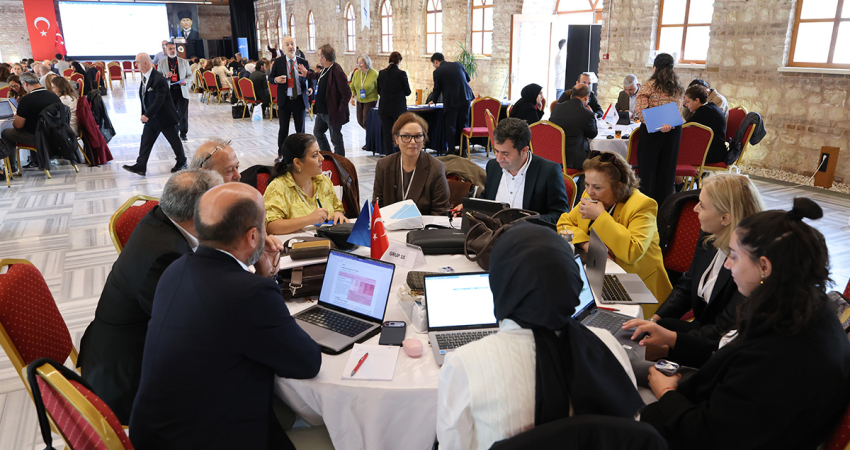
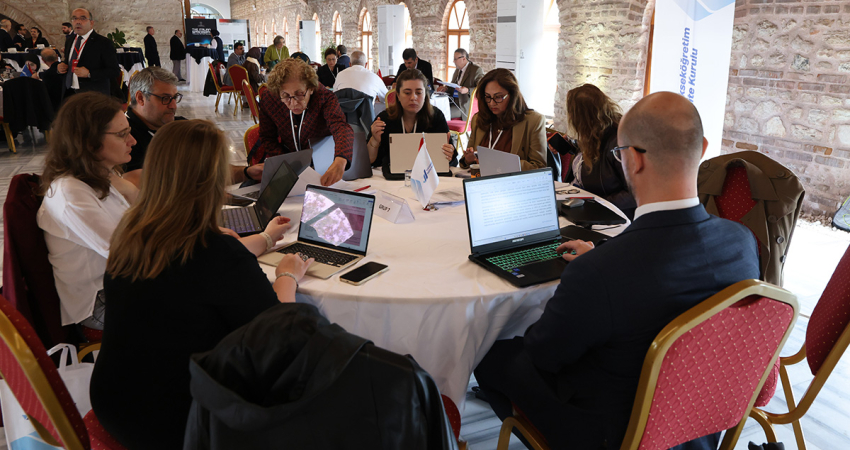
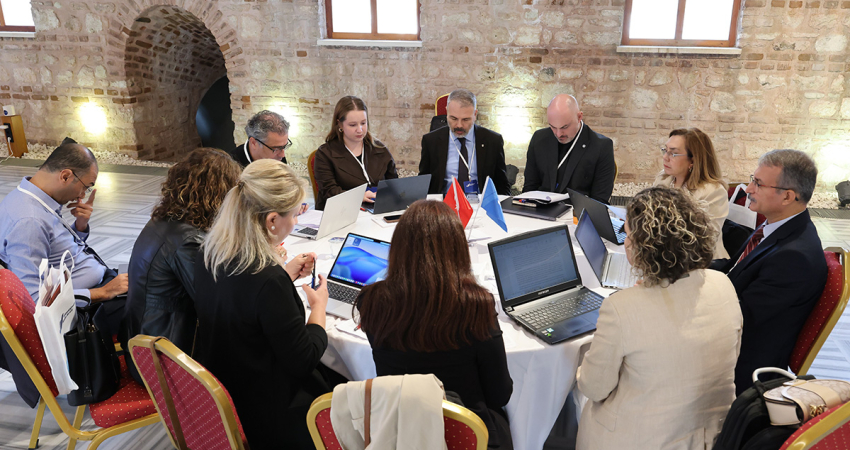
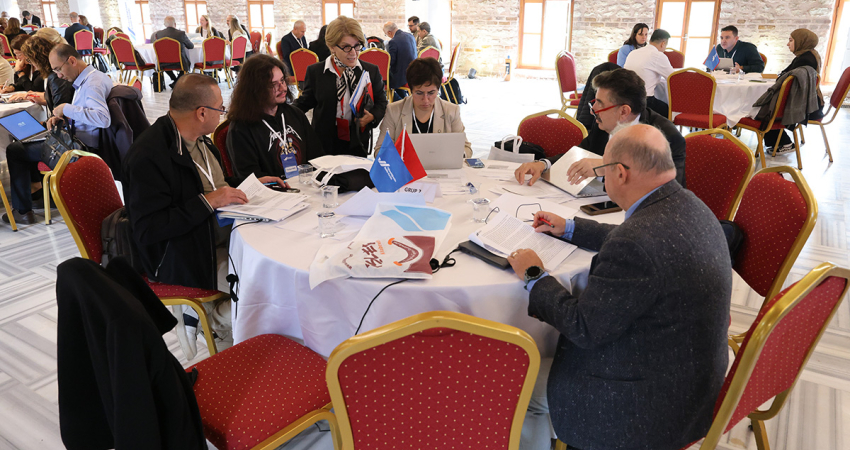
Participants came together for hands-on exercises focused on evaluation processes. Through the “Let’s Identify Strengths and Areas for Improvement” session, evaluators were introduced to practical methods for identifying institutions’ strengths and areas for improvement during evaluation processes.
In the program’s section titled “Who Should We Ask, and What Should We Ask?”, the creation of the right questions during the evaluation process and methods for obtaining the necessary information were discussed. This was followed by the “What Evidence Is Needed?” session, which featured hands-on exercises focused on determining the evidence to be used in evaluations.
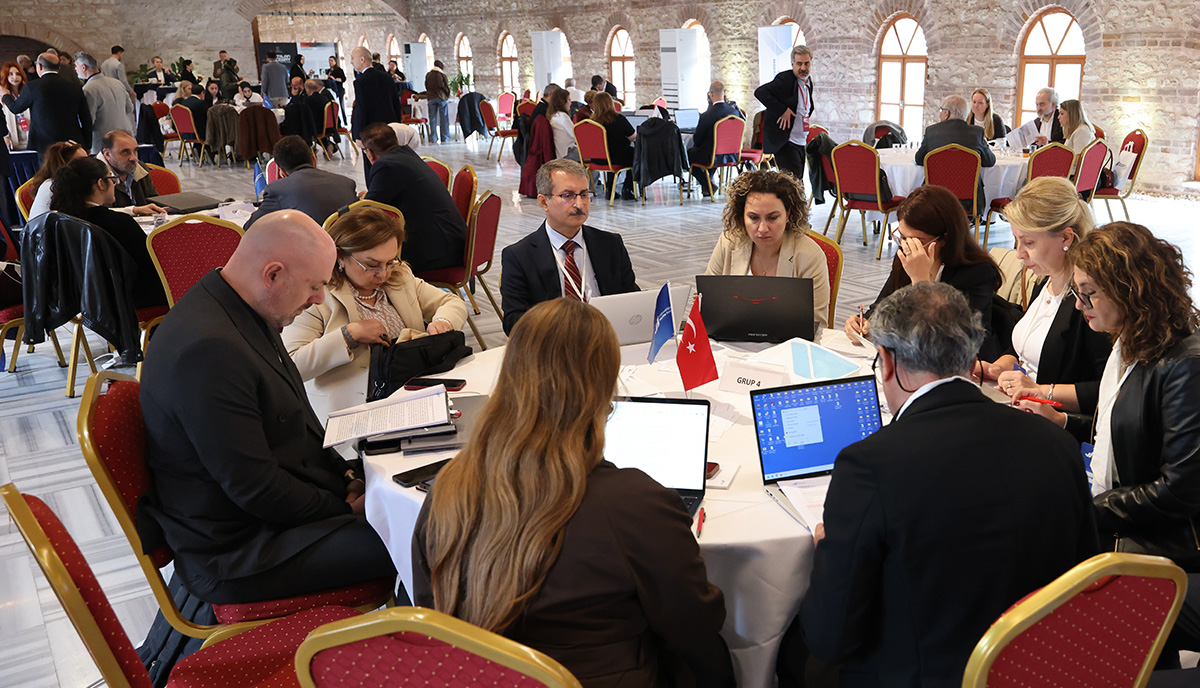
A “PDCA Tagging Exercise” was conducted during the training. The exercise involved practical activities designed to address the planning, implementation, control, and corrective action/improvement phases of evaluation processes.
In the program’s section titled “How Should the Final Report Be Structured?”, the focus was on how the outputs resulting from the evaluation process should be structured.
In the final segment of the day, participants took an exam on the evaluation process. The program concluded after participants completed the satisfaction survey.
Other News