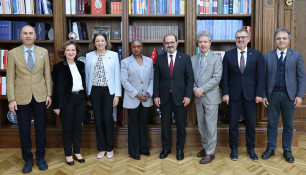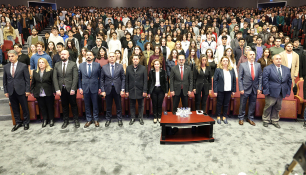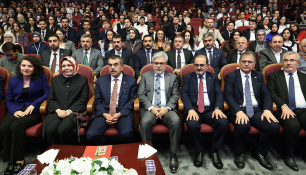



























Our Rector met with our faculty members who are leading the project
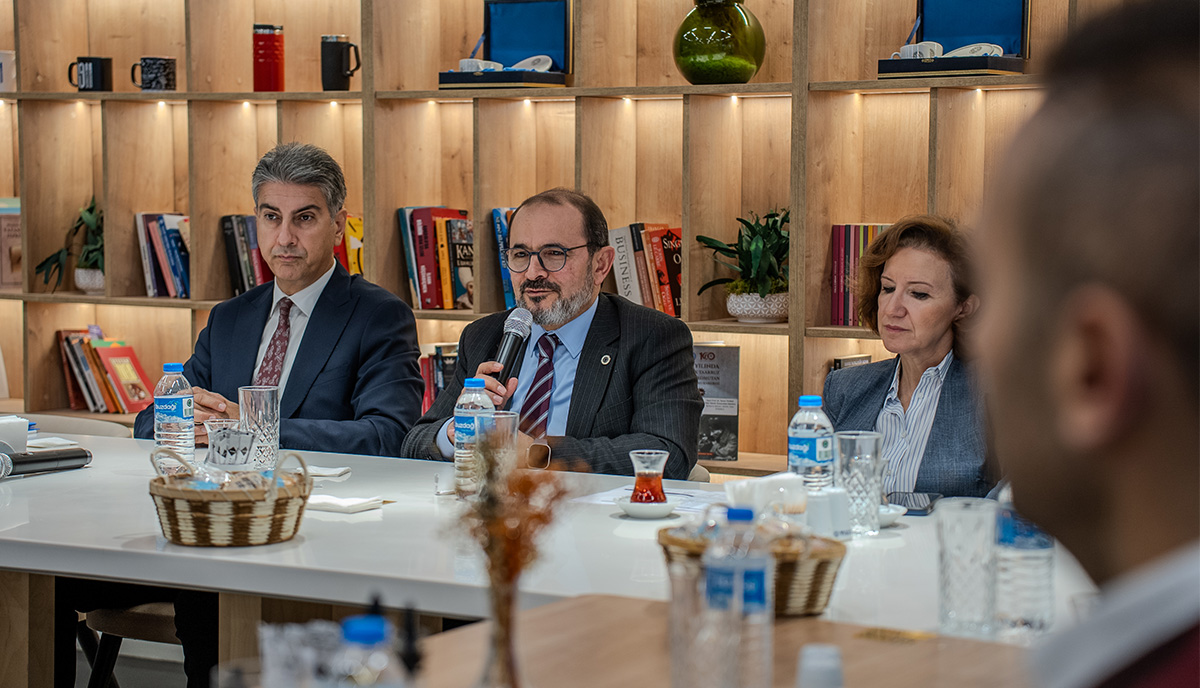
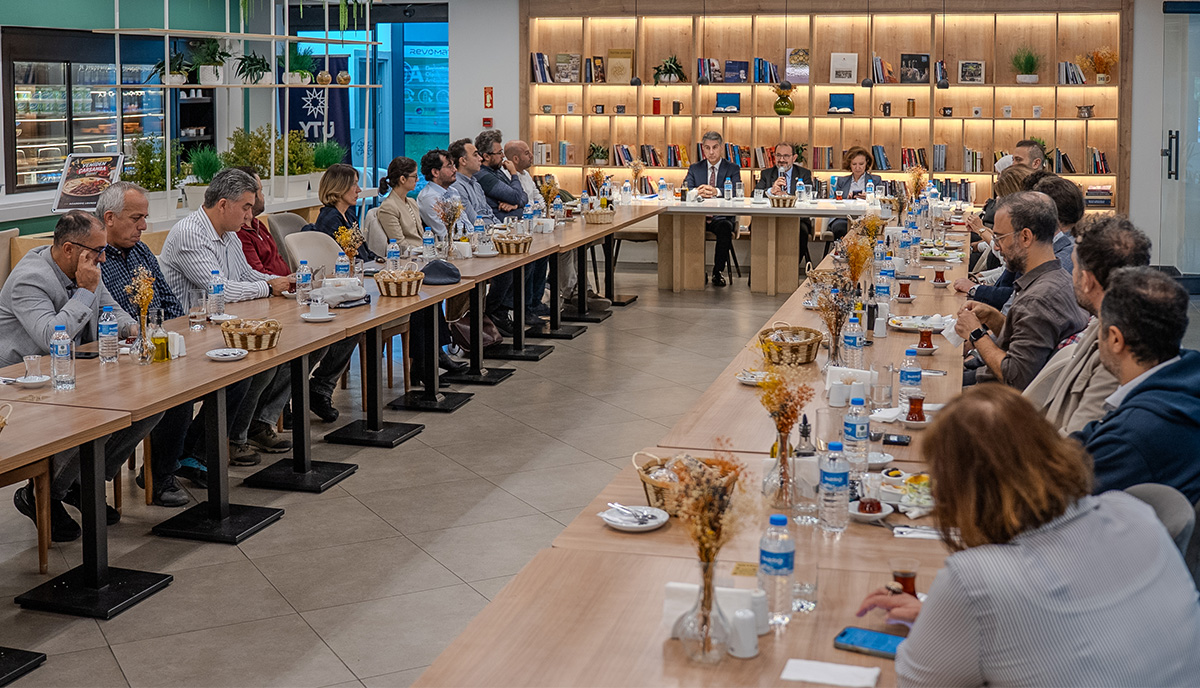
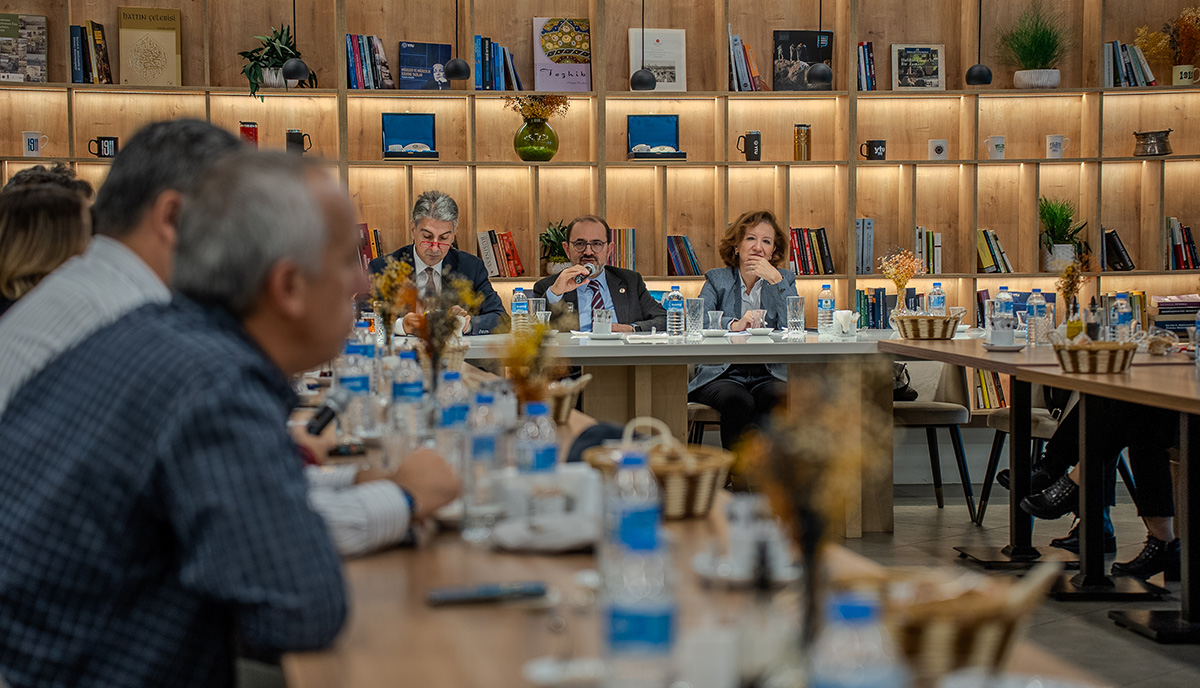
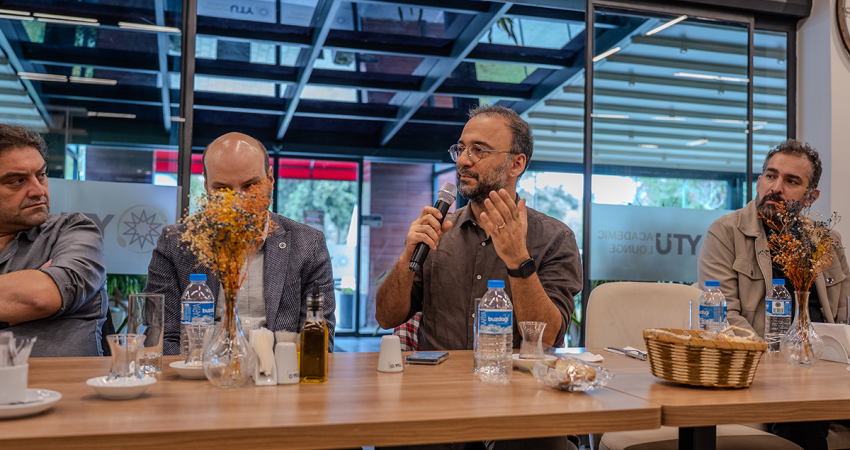
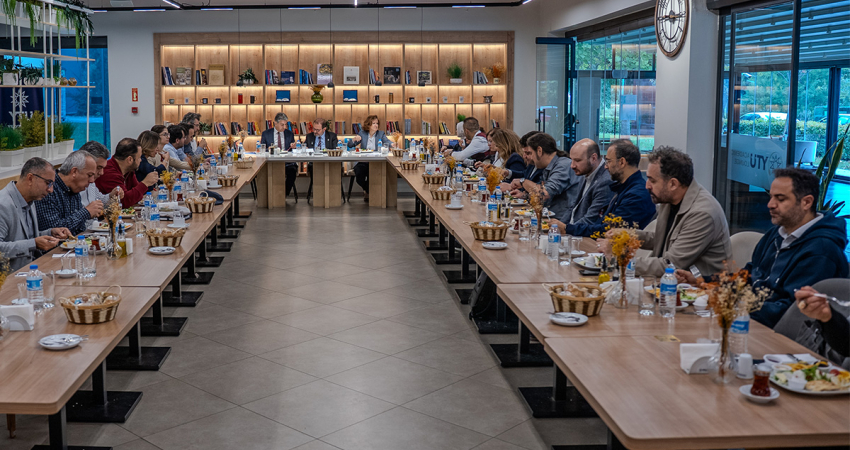
YTÜ Rector Prof. Dr. Eyüp Debik met with YTÜ faculty members whose projects have been accepted, are receiving funding, or are registered under national and international funding programs. The meeting addressed efforts to increase the number, budget, and quality of externally funded projects; support high-impact publications; attract international faculty members and doctoral students to YTÜ; and strengthen project support mechanisms.
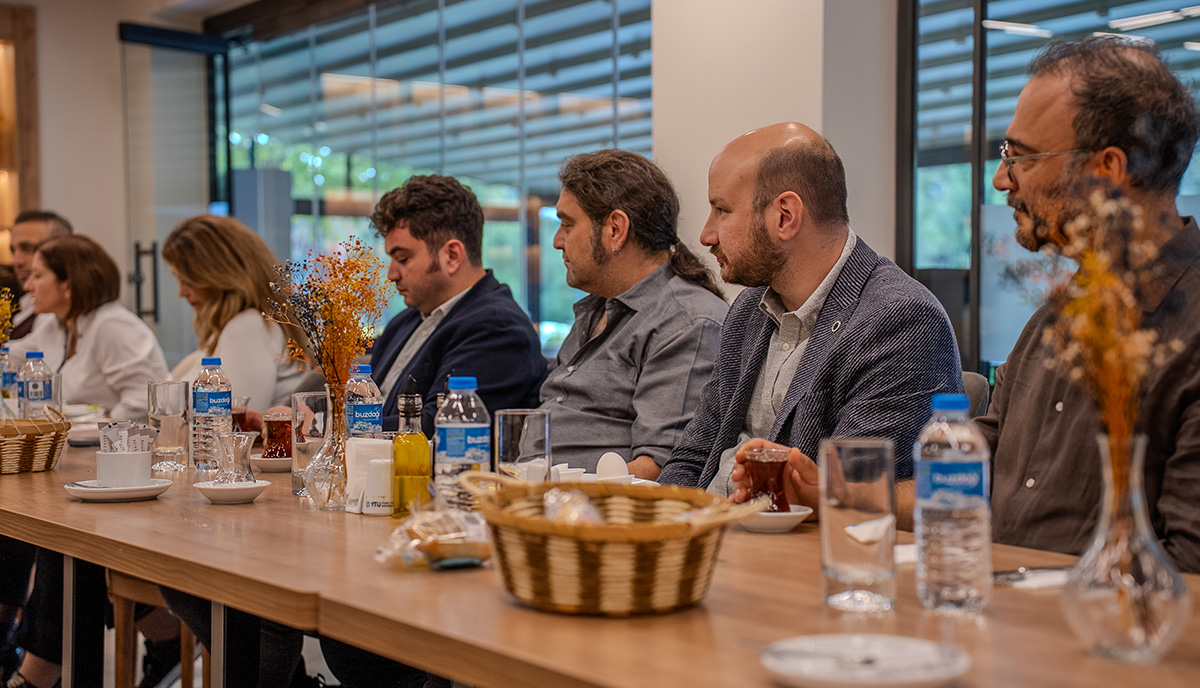
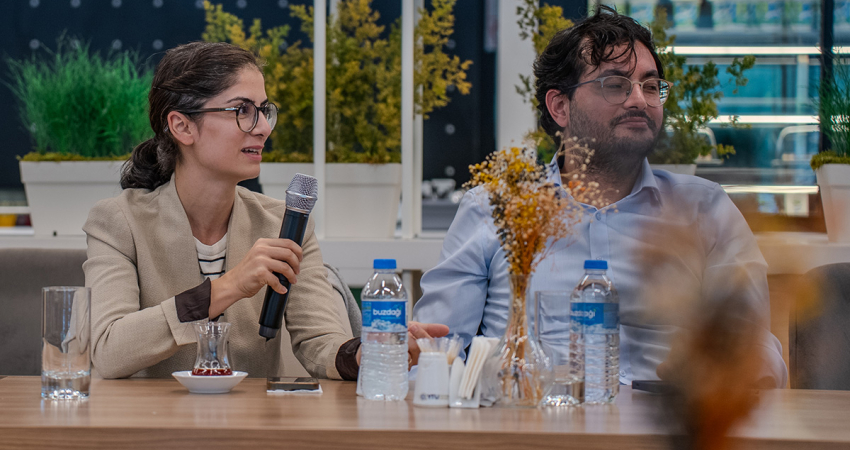
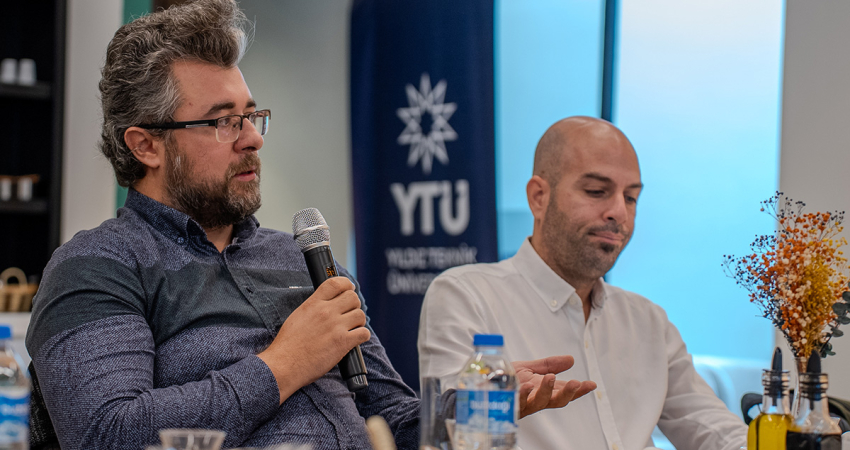
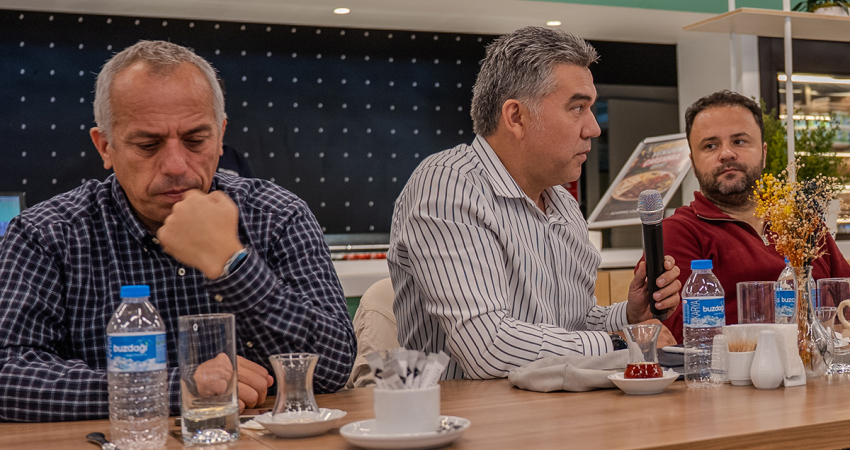
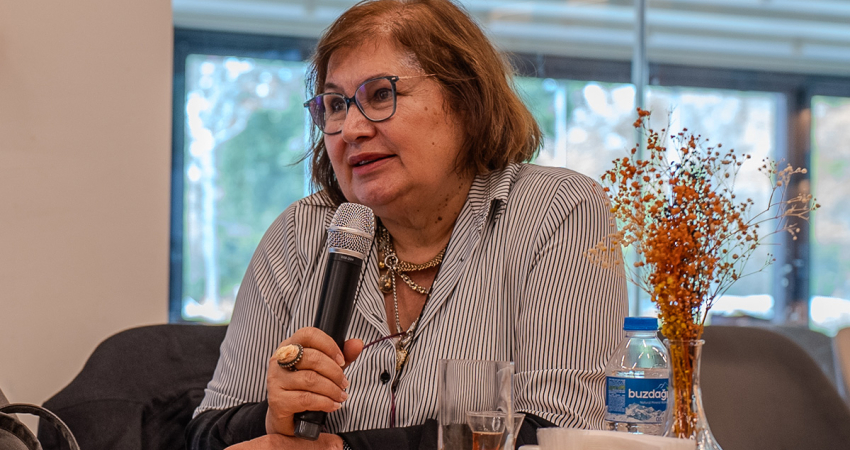
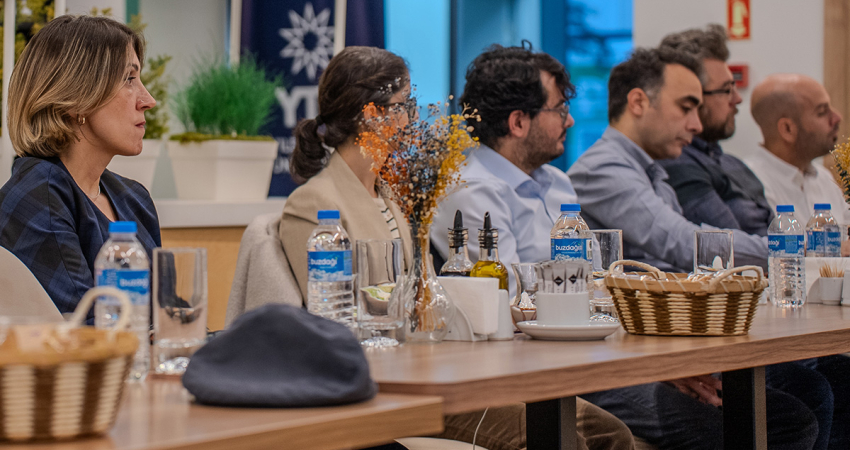
YTÜ Rector Prof. Dr. Eyüp Debik met with faculty members conducting national and international projects at our university. Held to raise the visibility of our faculty members’ work and to evaluate the potential for scientific knowledge produced across various disciplines to translate into social and economic benefits, the meeting assessed efforts to develop our university’s research and project capacity.
The meeting addressed the experiences and needs of faculty members during project processes, as well as topics related to increasing the production of high-quality projects and publications, developing international academic collaborations, and strengthening project support mechanisms.

Emphasis on Quality and Social Contribution in Externally Funded Projects
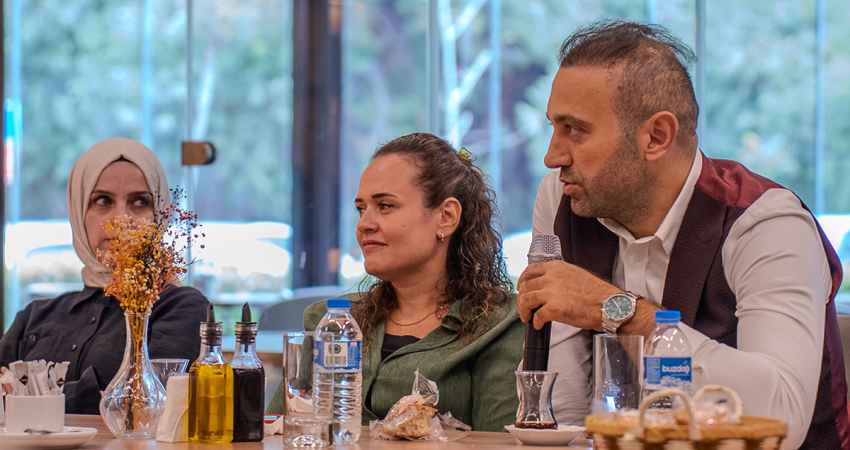
Speaking at the meeting, our Rector, Prof. Dr. Eyüp Debik, stated that increasing the number, budget, and quality of YTÜ’s externally funded projects is among the university’s top priorities. Highlighting the importance of designing projects not only to generate academic outputs but also to address societal needs, Prof. Dr. Debik said, “When developing projects, we must act with the priority of asking whether they will serve as a remedy for a wound afflicting our country and humanity.”
Prof. Dr. Eyüp Debik said, “Developing, securing funding for, and executing projects is truly a difficult and arduous process. When you succeed, you say, ‘Okay, this time it worked.’ Reaching a positive outcome at the end of such a challenging process is truly a source of pride. In this regard, I congratulate all of you,” he said.
Quality, Not Quantity, Will Take Precedence in Projects and Publications
Noting that YTÜ’s academic performance will focus more on quality than quantity in the coming period, Prof. Dr. Debik emphasized the need to increase high-impact publications and high-quality projects.
Drawing attention to academic impact indicators such as FWCI (Field-Weighted Citation Impact), Prof. Dr. Debik highlighted the importance of increasing the number of highly cited studies and research published in journals ranked in the top percentiles of their fields. Noting that mechanisms have been developed to support faculty members in producing high-quality publications, Debik stated, “Quality is more important than quantity. We need to follow a path toward producing high-quality projects and high-quality publications.”
Prof. Dr. Debik noted that our university provides support for articles to be published in top-tier journals, adding, “Our university or the YTÜ Foundation provides support for journals in the top 1 percent. This year, we will provide up to 150,000 TL in support for 100 articles,” he said.
New Support for Academics During the Publication Preparation Process
Our Rector, Prof. Dr. Debik, announced that a new initiative is also being carried out to provide support to academics before their articles are submitted to journals.
The initiative aims to evaluate not only writing and citation errors in the articles but also areas for improvement during the publication process and to provide feedback to academics. Noting that the initiative is planned to be implemented in a way that allows as broad a group of academics as possible to benefit, Prof. Dr. Debik stated that the preparation process will be completed before the article is submitted to the journal.
The goal is to increase the number of international faculty members
Noting that efforts to increase YTÜ’s capacity for international faculty members are ongoing, Prof. Dr. Debik stated that the number of international faculty members, which stood at 11 when he took office, has now reached the 20–25 range thanks to current initiatives. Prof. Dr. Debik said, “We place great importance on increasing the number of international faculty members at our university. There are currently about 10 faculty members whose applications are in process and awaiting approval from the Higher Education Council (YÖK). This number will reach 45 in the near future.”
Emphasizing that while attracting international faculty members to YTÜ is very important, it is not sufficient on its own, Prof. Dr. Debik highlighted the importance of faculty members with international experience working effectively with the university’s research groups and academic units.
YTÜ Project Support Office Restructured
Explaining that the YTÜ Project Support Office has been restructured to provide more effective support to faculty members in national and international project processes, Prof. Dr. Debik noted that the office will work in coordination with the YTÜ Yıldız Technology Transfer Office (TTO).
Noting that the needs of faculty members and the challenges they face in project development processes will be given greater consideration in the coming period, Prof. Dr. Debik emphasized the importance of sharing feedback regarding project processes with university administration.
International academic collaborations will be expanded
Emphasizing that our Yıldız academics who have completed their doctorates abroad and faculty members with international academic connections must play a more active role in joint projects and research efforts, our Rector, Prof. Dr. Debik, stated that our academics’ existing international connections must be quickly transformed into new collaborations.
Prof. Dr. Eyüp Debik said, “We have 150 faculty members who earned their doctorates abroad. All of them have international connections. They can easily collaborate on joint projects with whoever they did their doctorate with. We are striving to mobilize these faculty members.”
National and international projects are being carried out in various fields at YTÜ
The project proposals reviewed at the meeting revealed that YTÜ faculty members are conducting research in a wide range of fields, from health and biomedical research to artificial intelligence and digital technologies, from energy and advanced materials to the environment and sustainability, and from economics to social applications.
The national project proposals include 17 TÜBİTAK 1001 projects, 14 TÜBİTAK 1002 Rapid Support projects, one TÜBİTAK 1005 project, one TÜBİTAK 3501 project, 5 TÜSEB, and 2 TEYDEB projects.
Among these projects, AI-supported fetal MRI decision-making systems, personalized meniscus implants, delivery systems for infection treatment, infertility and cancer research; ransomware detection, driver condition analysis, UAV control, digital twin, and robotic rehabilitation systems. In the field of energy and advanced materials, research is being conducted on sodium-ion battery materials, power converters, and hydrogel microneedle vaccination systems, while in the field of environment and sustainability, research is being conducted on the removal of microplastics, pollutants in Antarctic lakes, the cooling efficiency of urban green spaces, and the production of value-added materials from waste are being investigated.
European and bilateral collaborations take center stage in international projects
YTÜ’s portfolio of international projects includes 15 projects under Horizon Europe, Erasmus+, TÜBİTAK’s bilateral and multilateral collaboration programs, as well as international network and open call funding initiatives. Of these projects, 3 are under Horizon Europe, 4 under Erasmus+, 7 under TÜBİTAK’s international collaboration programs, and 1 under the Cascade open call.
YTÜ serves as the coordinator for the B&GNight-TR – Science & Future Night project, which is being carried out under Horizon Europe. The project aims to organize science communication events in Istanbul and Ankara, with the goal of reaching over 40,000 people at the events and more than one million people through online activities over the course of two years.
The CIRC4FOOD Alliance project brings together 20 partners from 10 countries with the aim of supporting research capacity, entrepreneurship, and industrial applications in the field of circular and sustainable functional foods. While the INTACT project examines the effects of impurities in the carbon dioxide capture and storage chain, the BioNanoHarv project, in collaboration with Turkey-Slovakia collaboration aims to develop an implantable, battery-free RF energy harvester using biocompatible nanocomposites.
In the CAPES project, carried out through Turkey-Azerbaijan cooperation, research is being conducted on carbon dioxide capture, improving indoor air quality, and environmental sensing technologies, while in the TEAM and RENEW-PV projects, research is being conducted on new materials for light-based additive manufacturing, the training of researchers, and increasing the efficiency of next-generation photovoltaic systems.
Projects under the Erasmus+ program, meanwhile, focus on various areas such as sustainability, environmental and social governance in higher education, artificial intelligence education in early childhood, and AI-supported learning platforms.
This diversity of projects demonstrates that research conducted across various disciplines at YTÜ aligns with national and international funding programs, thereby enhancing the university’s research capacity across a range of themes.
Other News